
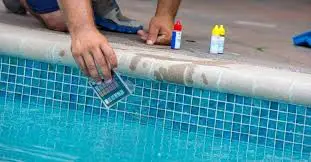
If you live in Port Charlotte, Punta Gorda, North Port, Rotonda, or anywhere in Charlotte County, you already know that Florida’s intense heat and sunshine can wreak havoc on your pool water. One of the most common questions pool owners ask is: Should I use chlorine tablets or liquid chlorine during the hot months?
Both options have their pros and cons, but when the mercury rises, choosing the right chlorine type can save you money, protect your pool surfaces, and keep your water sparkling clear.
🌡️ Why Florida’s Heat Affects Chlorine
The combination of UV rays, warm water, and heavy pool use during the summer season makes chlorine work harder:
- UV exposure quickly burns off chlorine if stabilizer levels are low.
- Warm water accelerates algae growth.
- Frequent swimming increases contaminants like sunscreen, sweat, and oils.
This makes chlorine choice especially critical in Charlotte County’s tropical climate.
🧊 Chlorine Tablets: Pros and Cons
✅ Benefits of Tablets
- Slow Dissolving: Provide steady, consistent chlorine release.
- Convenient: Easy to place in a floater or feeder system.
- Stabilized: Most tablets contain cyanuric acid (CYA) to help chlorine resist UV breakdown.
👉 Great for North Port and Rotonda homeowners who want low-maintenance pool care.
❌ Downsides of Tablets
- Over-stabilization Risk: Too much CYA reduces chlorine effectiveness.
- Can Leave Residue: May cause buildup or staining on pool surfaces.
- Less Control: Hard to adjust chlorine levels quickly.
💦 Liquid Chlorine: Pros and Cons
✅ Benefits of Liquid
- Immediate Effect: Quickly raises chlorine levels, great after storms.
- No Stabilizer: Won’t cause CYA buildup.
- Cost-Effective: Usually cheaper than tablets in bulk.
👉 Ideal for Punta Gorda and Port Charlotte homeowners who want fast results after heavy rain or pool parties.
❌ Downsides of Liquid
- Short Shelf Life: Loses potency within a few weeks if stored in heat.
- Frequent Application: Needs to be added more often.
- Can Raise pH: Requires monitoring and balancing with acid.
⚖️ Tablets vs Liquid in Charlotte County Heat
| Factor | Tablets | Liquid Chlorine |
|---|---|---|
| UV Protection | ✅ Built-in (CYA) | ❌ Needs stabilizer separately |
| Speed of Action | ❌ Slow | ✅ Immediate |
| Cost | Moderate | Lower (bulk) |
| Long-Term Balance | Can over-stabilize | Requires frequent dosing |
| Best For | Everyday maintenance | Quick fixes after storms |
🧰 Best Practices for Florida Pool Owners
- Use a Combination
- Tablets for steady background chlorination.
- Liquid for quick adjustments after storms or heavy use.
- Check Stabilizer Levels
- Keep CYA between 30–50 ppm. Too high and chlorine becomes useless.
- Shock Weekly in Summer
- Florida’s heat demands regular shocking to kill stubborn contaminants.
- Store Chemicals Safely
- Keep chlorine in a cool, shaded area away from pets and kids.
🌴 Real-Life Local Insights
- Port Charlotte homeowner: “We stick with tablets most of the year, but always keep liquid chlorine handy after summer thunderstorms.”
- Rotonda resident: “After trying both, we use tablets for maintenance but switch to liquid during July and August when the pool gets heavy use.”
📍 Where to Learn More
For expert guidance and pool care services, visit:
- Florida Detail for trusted pool maintenance.
- Learn more about pool cleaning in Charlotte County.
- Explore PortCharlottePoolService.com and NorthPortPoolCompany.com.
- Need marketing help for your pool company? Check UnlimitedManiac.com.
✅ Final Thoughts
So, which works better in the Florida heat — tablets or liquid chlorine? The answer is: both, when used wisely. Tablets are perfect for day-to-day balance, while liquid chlorine is essential for quick corrections in Charlotte County’s hot summers.
👉 Want expert help maintaining your pool? Explore https://FloridaDetail.com and connect with local service providers in Port Charlotte, Punta Gorda, North Port, and Rotonda.


