Introduction
If you’ve ever noticed fading tiles, rough patches, or that distinct bleach smell around your pool, you might be dealing with chlorine overdose. While chlorine is essential for keeping your pool safe and clear, too much of it can silently destroy pool surfaces — especially under Florida’s blazing sun.
At Florida Detail, we’ve helped homeowners across Port Charlotte, Punta Gorda, North Port, and Rotonda restore pool beauty after chlorine-related damage. Let’s explore what happens when chlorine levels go beyond safe limits and how you can protect your investment.
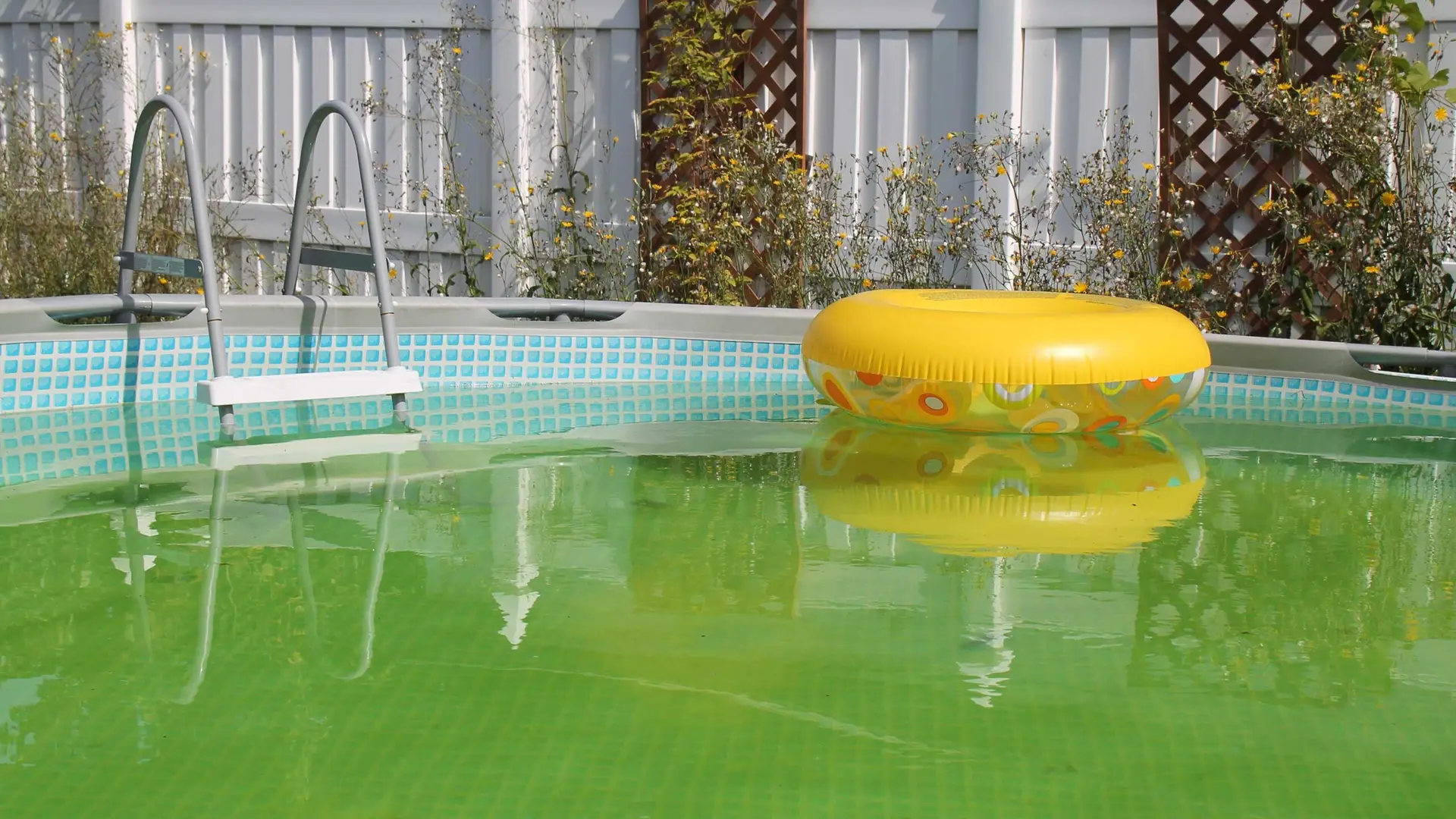
🧪 Understanding Chlorine Overdose
Chlorine’s main job is to kill bacteria, algae, and other microorganisms. But when the balance tips — usually above 5 ppm (parts per million) — it starts attacking everything it touches.
Common Causes of Chlorine Overdose
- Overusing chlorine tablets or shock treatments
- Malfunctioning chlorinators or feeders
- Poor water testing habits
- Hot weather and evaporation, which concentrates chlorine levels
Pro Tip: Test your pool water at least twice a week — more during summer or heavy rain seasons in Charlotte County.
🧱 Effects of Too Much Chlorine on Pool Surfaces
High chlorine concentrations don’t just irritate swimmers — they also damage the physical structure of your pool.
1. Fading and Discoloration
- Tiles and liners lose their original shine and color.
- Concrete and plaster pools may start showing pale, blotchy areas.
- Vinyl liners can become brittle or crack over time.
🌞 Florida’s UV rays amplify the issue — chlorine reacts with sunlight, producing compounds that bleach surfaces faster.
2. Corrosion of Metal Fixtures
Over-chlorinated water can corrode:
- Ladders
- Handrails
- Screws and light fixtures
In North Port and Rotonda, where salt air already promotes rusting, chlorine overdose can double the rate of corrosion.
3. Etching and Rough Texture on Plaster
If you feel a sandpaper-like surface underfoot, that’s chlorine slowly etching away your plaster coating.
This not only makes cleaning harder but also provides a place for algae to cling, leading to green or black stains.
4. Grout Weakening and Tile Popping
Chlorine breaks down cement-based grout, loosening tiles over time. This is common after over-shocking pools following summer storms in Punta Gorda.
Quick Fix: Schedule routine checks from a local expert like Florida Detail to keep your pool chemistry in balance.
💦 How to Fix and Prevent Chlorine Damage
Once chlorine has etched or discolored a surface, the repair process can be expensive — but prevention is simple.
1. Test, Don’t Guess
Use a digital pool tester or reliable strips to check chlorine, pH, and alkalinity levels regularly.
2. Maintain Proper Levels
- Ideal chlorine range: 1–3 ppm
- Ideal pH: 7.2–7.6
- Cyanuric acid (stabilizer): 30–50 ppm
3. Balance After Rainfall
Florida rainstorms dilute chlorine rapidly, tempting many homeowners to overcompensate. Always retest before adding chemicals.
4. Hire Professional Pool Cleaning Services
Certified professionals — like those at Florida Detail — use precision testing kits and automation systems that ensure long-term surface protection.
🔧 Real-Life Example from Charlotte County
Last summer, a Rotonda West homeowner contacted us after noticing dull blue tiles and corroded stainless rails. Upon testing, their chlorine level was a whopping 8 ppm.
After performing a partial water replacement, surface treatment, and installing a smart chlorinator, their pool was restored to perfect condition within a week.
🌴 Why Florida Pools Are More Vulnerable
Pools in Port Charlotte and North Port face unique environmental challenges:
- Intense UV exposure speeds up chlorine breakdown, leading to overdosing.
- Frequent storms and humidity alter pool chemistry rapidly.
- Seasonal snowbird maintenance gaps can cause inconsistent chlorine use.
Did You Know? High temperatures increase chlorine evaporation, concentrating residual chlorine at the surface — exactly where tiles and liners suffer most.
🧼 Additional Tips for Pool Owners
✅ Shock wisely: Only shock at night to avoid chlorine loss to sunlight.
✅ Use liquid chlorine carefully: It’s stronger than tablets and can stain surfaces if poured directly.
✅ Invest in automation: A smart dosing system prevents overuse.
✅ Rinse pool toys and equipment: Prevent buildup that can reintroduce high chlorine to balanced water.
🔗 Helpful Resources & Local Connections
- Home
- Our Services
- Contact Us
- Pool Cleaning in Charlotte County
- UnlimitedManiac.com – Expert resource for local SEO and digital marketing in Florida.
- PortCharlottePoolService.com – Trusted pool professionals near you.
- NorthPortPoolCompany.com – Residential pool repair and maintenance experts.
🏁 Conclusion
Chlorine is your pool’s best friend — until it isn’t. Keeping levels balanced not only ensures safe swimming but also saves thousands in surface restoration costs.
If your pool shows signs of discoloration, rough texture, or corroded metal, act now. Visit Florida Detail to explore trusted pool care resources and connect with top-rated professionals across Charlotte County, Port Charlotte, Punta Gorda, North Port, and Rotonda West.


