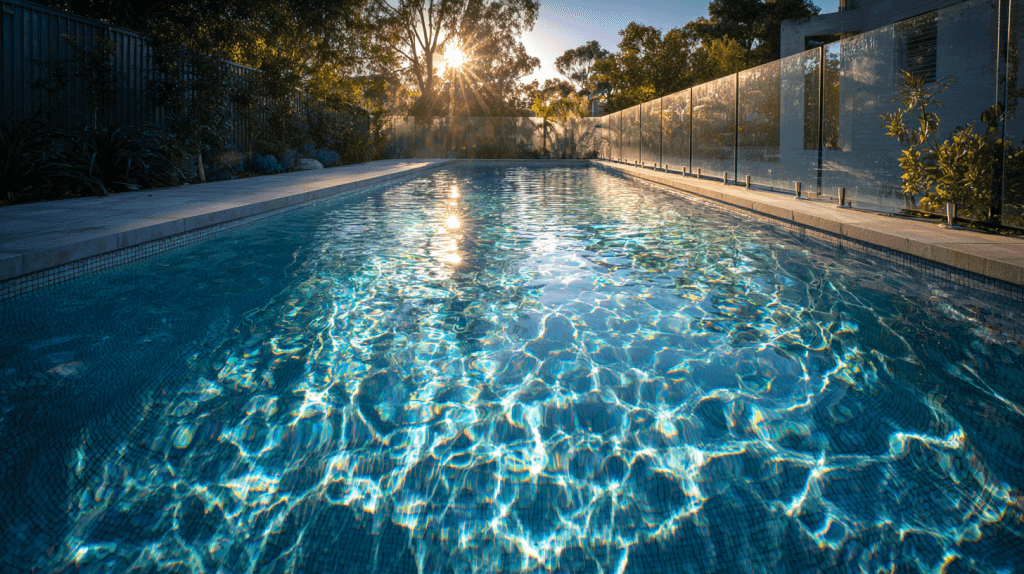
Owning a swimming pool in Port Charlotte, Punta Gorda, North Port, Rotonda, and throughout Charlotte County is one of the best parts of Florida living. But along with sunny days and backyard fun comes a common frustration: cloudy, green, or smelly pool water.
Two of the most frequent culprits are algae and bacteria. While they might seem similar at first glance, they are very different problems that require very different solutions. Knowing which one you’re dealing with can save you time, money, and headaches.
Why Florida Pools Are at Higher Risk
Florida’s subtropical climate creates the perfect breeding ground for pool water issues:
- Intense sunlight accelerates algae blooms.
- Heavy rainfall and storms wash debris and contaminants into pools.
- High swimmer loads during snowbird season introduce bacteria and oils.
- Warm water temperatures year-round keep organisms active.
Whether you’re in Rotonda or Punta Gorda, pools in this region need extra care compared to cooler states.
Algae in Pools: What You Should Know
What is Algae?
Algae are plant-like organisms that thrive in warm, stagnant water. They can grow quickly when chlorine levels drop or circulation is poor.
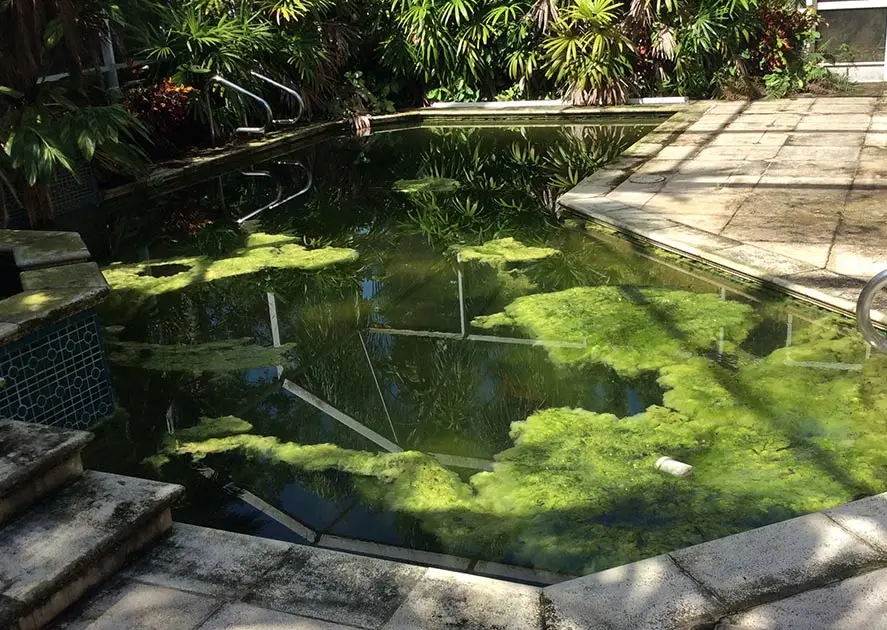
Types of pool algae common in Charlotte County:
- Green algae – the most common, makes water cloudy or pea-soup green.
- Yellow (mustard) algae – clings to pool walls and survives even after brushing.
- Black algae – stubborn, forms dark spots in plaster or grout.
Signs of Algae Growth
- Slimy pool walls and steps
- Green, yellow, or black discoloration
- Cloudy water despite running the filter
- Chlorine demand that never seems satisfied
Bacteria in Pools: A Bigger Health Concern
Unlike algae, bacteria aren’t just unsightly — they can be dangerous.
How Does Bacteria Get in Your Pool?
- Contaminated rainwater after Florida storms
- Swimmers introducing body oils, sweat, or waste
- Pets or wildlife near the pool
- Poorly maintained filters and circulation systems
Common Pool Bacteria Risks
- E. coli – causes stomach and intestinal illness.
- Pseudomonas – linked to ear and skin infections (“swimmer’s ear”).
- Legionella – thrives in warm water and can cause serious illness.
Signs of Bacterial Contamination
- Strong, unpleasant odor (like chlorine mixed with sweat)
- Rashes or ear infections after swimming
- Eye and skin irritation that doesn’t improve
- Clear-looking water that still feels “off”
Algae vs. Bacteria: Spot the Difference
| Feature | Algae | Bacteria |
|---|---|---|
| Visible? | Usually visible (green, yellow, black) | Often invisible |
| Main Issue | Cloudy water, slimy surfaces | Health risks |
| Growth Speed | Fast in sunlight, warm temps | Can multiply rapidly if unchecked |
| Treatment | Shock, algaecide, brushing | Superchlorination, filtration, professional testing |
👉 Quick Tip: If your pool is green and slimy, it’s probably algae. If it looks clear but smells bad or irritates skin, bacteria may be the culprit.
How to Treat Algae Problems
- Shock the pool with chlorine.
- Brush and vacuum walls, floors, and steps.
- Run the filter system for at least 24–48 hours.
- Add an algaecide for prevention.
- Maintain proper chlorine and pH levels moving forward.
Local pool owners in Port Charlotte and North Port often battle green algae after heavy rains when chlorine levels drop suddenly.
How to Treat Bacterial Contamination
Bacteria issues require a more aggressive approach:
- Perform superchlorination (also called “shocking”) to kill harmful microbes.
- Check and replace filter media if contaminated.
- Balance water chemistry, especially chlorine and pH.
- Consider professional water testing to confirm bacterial presence.
In Punta Gorda, one homeowner reported recurring ear infections in their kids — lab tests later confirmed bacterial contamination due to a failing filter system.
Preventing Algae & Bacteria in Your Pool
Keeping your pool safe and sparkling in Charlotte County comes down to consistent care:
- Test water 2–3 times per week.
- Keep chlorine between 1–3 ppm.
- Maintain pH between 7.2–7.6.
- Clean filters monthly.
- Use a pool cover when not in use.
- Schedule professional maintenance if you’re a seasonal snowbird.
Helpful Local Resources
- Port Charlotte Pool Services – trusted cleaning and treatment services.
- North Port Pool Company – serving Sarasota & Charlotte counties.
- Pool Cleaning in Port Charlotte – local algae and bacteria specialists.
- Unlimited Maniac – SEO and marketing help for Florida pool businesses.
For professional help, visit:
- Florida Detail – connect with top-rated pool experts.
- Pool cleaning in Charlotte County.
- https://FloridaDetail.com
Final Thoughts
Algae and bacteria may both cause pool water problems, but they require different treatments. In Rotonda or Punta Gorda, green slime usually points to algae, while clear but irritating water may mean bacteria.
By recognizing the difference, maintaining proper chemistry, and seeking professional help when needed, you can keep your pool safe, clear, and enjoyable year-round.
👉 Explore Florida Detail today to find trusted pool professionals in Port Charlotte, North Port, Charlotte County, and beyond. Don’t let algae or bacteria ruin your Florida pool season — take action now and enjoy crystal-clear water.


