
if you own a pool in Charlotte County, you’ve probably heard about the importance of balancing your pool’s chemistry. But while chlorine and pH often take the spotlight, total alkalinity is the real foundation that keeps everything stable.
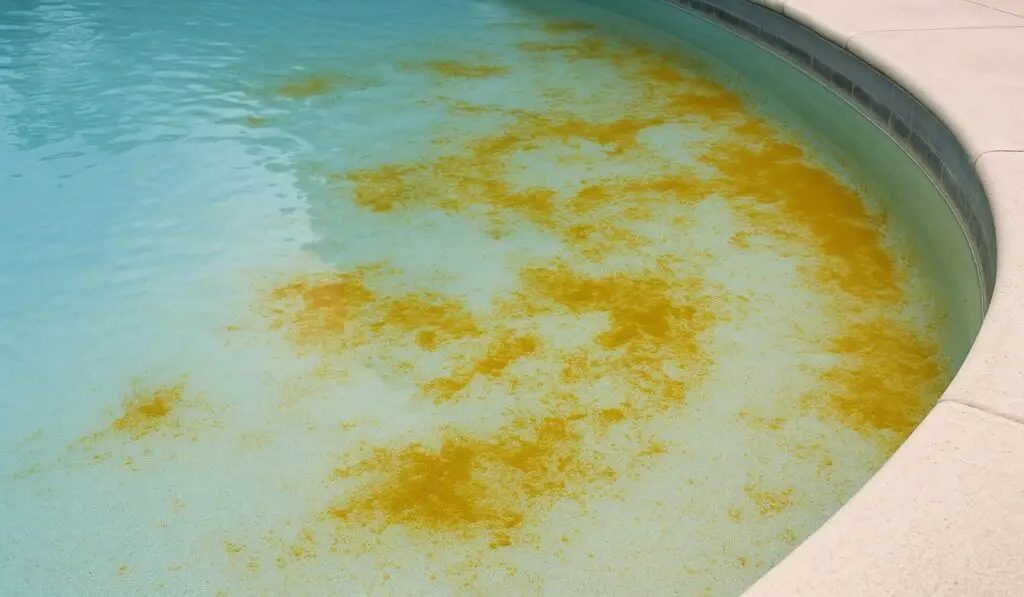
Without proper alkalinity, even the best-maintained pools in Port Charlotte, Punta Gorda, North Port, and Rotonda can experience cloudy water, staining, or scaling. Let’s break down why alkalinity matters — and how you can keep it in balance for clear, healthy, and long-lasting water.
What Is Total Alkalinity?
In simple terms, total alkalinity (TA) measures the pool water’s ability to resist sudden pH changes. It acts like a buffer that prevents your pH from swinging too high or too low.
- Ideal Range: 80–120 ppm (parts per million)
- Too Low: pH drops fast, causing corrosion
- Too High: pH becomes unstable, leading to cloudy water and scaling
According to FloridaDetail.com, 70% of pool clarity issues come from imbalanced alkalinity rather than poor filtration.
Why Alkalinity Matters in Charlotte County
Florida’s unique water composition and tropical climate make alkalinity management especially important.
1. Local Water Sources Vary
Water in Port Charlotte often contains more dissolved minerals, while North Port may draw from softer sources. These differences affect alkalinity levels right from the tap.
When filling or topping off your pool, always test and adjust before adding chemicals.
2. Heavy Rain Dilutes Alkalinity
In Punta Gorda, summer storms can dump inches of rain in an afternoon. Rainwater has low alkalinity, which dilutes your pool’s buffer system and drops pH rapidly.
3. High Evaporation in Hot Weather
Charlotte County heat speeds up evaporation. When water levels drop and you refill with tap water, alkalinity can creep upward, leading to scaling.
Regular testing — at least twice per week in summer — helps catch these shifts before they affect water clarity.
Signs Your Alkalinity Is Off
When alkalinity drifts out of range, your pool sends clear warning signs.
Low Alkalinity Symptoms:
- pH drops quickly after chemical dosing
- Metal fixtures start corroding or rusting
- Etching on plaster surfaces
- Eye and skin irritation
High Alkalinity Symptoms:
- Cloudy water or white film on tile
- Difficulty adjusting pH
- Calcium buildup on heaters and walls
- Chlorine becoming less effective
For troubleshooting, see Why Your Pool Feels Slimy — Causes and Immediate Fixes.
How to Test and Adjust Alkalinity
You can check TA using liquid test kits or digital meters. For accuracy, test water samples from elbow depth, away from return jets.
Step-by-Step Guide
- Test Current Levels – Note alkalinity reading.
- To Raise TA – Add baking soda (sodium bicarbonate) slowly across the surface.
- To Lower TA – Add muriatic acid carefully, pouring near return jets to aid mixing.
- Retest After 6–12 Hours – Circulate water and check again before further dosing.
Florida Detail technicians recommend adjusting in small increments — it’s easier to fine-tune than overcorrect.
The Connection Between Alkalinity and pH
Think of alkalinity as your pool’s shock absorber. When it’s in range, your pH stays steady and chlorine remains effective.
If alkalinity is too low, pH bounces wildly — requiring constant acid or soda ash additions. If it’s too high, your pH becomes locked, and chemicals stop working efficiently.
Balanced alkalinity keeps your disinfectant levels stable, ensuring clean, comfortable swimming conditions all week long.
Common Mistakes Homeowners Make
Even experienced pool owners in Rotonda and Port Charlotte make these alkalinity missteps:
❌ Adding chemicals without testing first
❌ Ignoring rainwater dilution
❌ Using “one-size-fits-all” chemical kits
❌ Adjusting pH before stabilizing alkalinity
Remember: Always balance alkalinity first, then pH, and finally chlorine. This order ensures every chemical performs correctly.
Seasonal Tips for Charlotte County Pools
Because of Florida’s weather cycles, alkalinity needs change throughout the year.
Spring
- Heavy pollen and debris increase organic load.
- Check TA weekly to support sanitizer strength.
Summer
- Rainwater lowers TA — test twice per week.
- Refill with caution to avoid overcorrection.
Fall
- Less rain but more leaf debris — balance TA before shocking.
Winter
- Cooler temps slow evaporation — test monthly.
Learn how local conditions affect water chemistry in Pool Chemistry Apps: Do They Really Work in Florida?.
The Cost of Neglecting Alkalinity
If you skip alkalinity maintenance, you risk long-term damage:
- Etching on plaster or quartz finishes
- Corrosion on ladders, heaters, and salt cells
- Scaling that clogs filters and pumps
- Reduced sanitizer efficiency
These issues can cost hundreds in repairs or resurfacing — far more than routine testing supplies.
FloridaDetail.com offers water testing and balancing services throughout Charlotte County, helping homeowners save on repairs and chemicals.
Professional Help for Consistent Balance
For busy homeowners, partnering with a local expert like Florida Detail ensures precision and consistency. Their technicians monitor:
- Total alkalinity
- pH and chlorine levels
- Calcium hardness
- Salt cell performance
They use Charlotte County-specific water profiles to keep your pool safe year-round.
Visit https://FloridaDetail.com or explore pool cleaning in Charlotte County with FloridaDetail.com.
For digital pool tools and marketing insights, see UnlimitedManiac.com.
Conclusion
Alkalinity is the unsung hero of pool chemistry — especially in Florida’s coastal climate. By keeping it in range, you protect surfaces, stabilize pH, and extend your pool’s life.
From Port Charlotte to North Port, maintaining the right balance means cleaner water, happier swimmers, and fewer costly surprises.
When you’re ready to simplify your water care, contact Florida Detail — your trusted partner in Charlotte County pool maintenance.
👉 Visit https://FloridaDetail.com today to schedule a water test or maintenance visit


