H1: Understanding Pool Algae in Florida
If you live in Port Charlotte, Punta Gorda, North Port, Rotonda, or anywhere in Charlotte County, you’ve likely battled pool algae at some point.
Florida’s warm, humid climate creates the perfect environment for algae to thrive — especially after summer storms or when your pool chemistry drifts off balance.
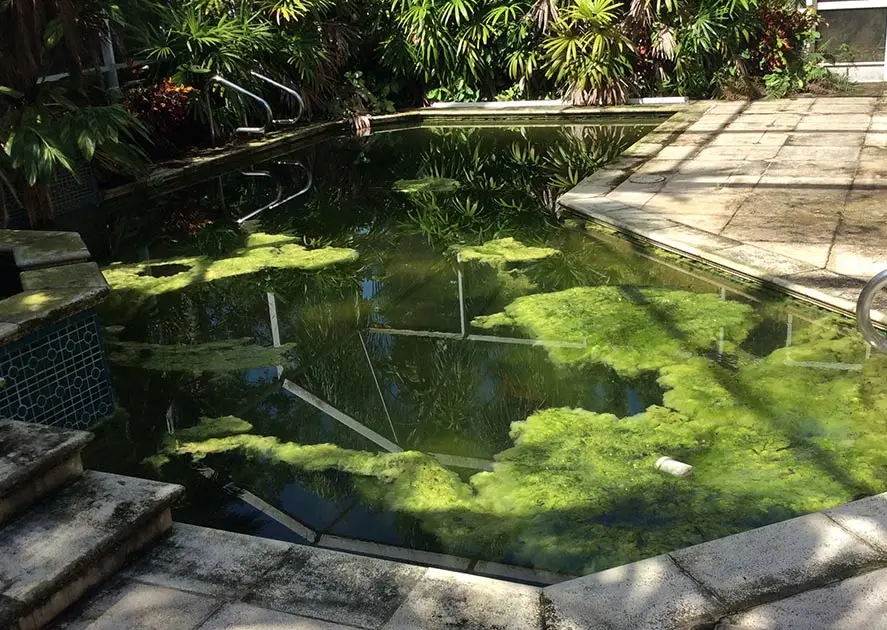
While most people think “algae is just algae,” not all types are the same. In Florida, you’ll encounter three main species: green, yellow (mustard), and black algae — each with unique traits and treatment needs.
🧪 What Is Pool Algae, and Why Does It Grow?
Algae are microscopic plant-like organisms that multiply rapidly in sunny, nutrient-rich water.
In Florida pools, high humidity, warm water temperatures, and organic debris (like leaves or pollen) feed the growth.
Common causes include:
- Imbalanced chlorine levels
- Poor circulation or filtration
- Irregular brushing and vacuuming
- Contaminated swimwear or pool toys
- Debris buildup after storms
Even a few spores can turn your Port Charlotte pool from crystal-clear to cloudy green in just 24–48 hours.
H2: The Three Most Common Pool Algae Species in Florida
Let’s break down the big three: green, yellow, and black algae — how they form, how to identify them, and most importantly, how to get rid of them.
H3: 1️⃣ Green Algae — The Most Common Culprit
Appearance: Cloudy green water, slippery walls, or a green tint on pool steps.
Growth Speed: Very fast — can spread across the pool in a single day.
Why It Happens:
Green algae are the easiest to develop, especially after rain or sunlight exposure. The high UV index in Charlotte County accelerates chlorine breakdown, leaving pools vulnerable.
How to Eliminate Green Algae:
- Shock the pool with a high-chlorine dose.
- Brush all surfaces — walls, ladders, and steps.
- Run the filter continuously for 24 hours.
- Vacuum to waste after the water clears.
Pro Tip: Use an algaecide once a week during Florida’s summer months for prevention.
Local Insight: After heavy rain in North Port, pool owners often notice a green haze caused by diluted sanitizer levels — quick testing and shocking prevent outbreaks.
H3: 2️⃣ Yellow or Mustard Algae — The Sneaky One
Appearance: Yellow or golden dust along pool walls or behind ladders.
Growth Speed: Moderate, but resistant to standard chlorine treatments.
Why It Happens:
Yellow algae thrive in shady, low-circulation areas — think corners or under pool steps. They can cling to pool toys and swimsuits, reintroducing spores even after cleaning.
How to Eliminate Yellow Algae:
- Shock the pool twice the normal dose.
- Brush every surface, paying attention to corners and crevices.
- Wash swimsuits and soak pool toys in a mild bleach solution.
- Use a specialized mustard algaecide for complete removal.
Real Example: A homeowner in Rotonda struggled with recurring yellow patches near the pool ladder. After cleaning the ladder separately and boosting chlorine, the issue vanished for good.
H3: 3️⃣ Black Algae — The Toughest to Tackle
Appearance: Small, dark, blue-green or black spots that resist brushing.
Growth Speed: Slow but incredibly persistent.
Why It Happens:
Black algae have deep roots that penetrate pool plaster. They’re resistant to chlorine and most surface cleaners, which is why they’re often mistaken for dirt or metal stains.
How to Eliminate Black Algae:
- Scrape the algae spots with a stiff wire brush.
- Apply chlorine tablets directly on the spots (wear gloves).
- Shock the pool at triple dose.
- Maintain high chlorine levels for several days.
Expert Tip: Consistent brushing is key — the outer layer of black algae protects the colony beneath, so scrubbing breaks it open for chlorine to work.
If you’re unsure whether it’s algae or staining, contact Florida Detail for an inspection by a pool cleaning expert in Charlotte County.
H2: Preventing Algae Growth in Florida Pools
Prevention is always easier (and cheaper) than removal. Here’s how to keep your pool algae-free year-round in Port Charlotte and Punta Gorda:
✅ Weekly Routine:
- Test and balance chlorine and pH levels.
- Brush and vacuum the entire pool.
- Clean filters regularly.
- Add algaecide every 7–10 days.
✅ After Storms:
- Skim debris immediately.
- Check chlorine levels — heavy rain dilutes sanitizer.
- Run your pump an extra few hours.
✅ Seasonal Tips for Florida Residents:
- Snowbirds returning to Charlotte County should shock their pools after months of inactivity.
- During summer heatwaves, check chemical balance twice weekly.
H2: Local Case Study — Punta Gorda Pool Revival
A Punta Gorda family noticed recurring green patches after each summer storm. They used regular shock treatments, but algae returned weekly.
A technician from PortCharlottePoolServices.com discovered the filter hadn’t been deep-cleaned in over a year. Once it was replaced and algaecide applied, the pool stayed crystal-clear for the rest of the season.
Moral of the story? Sometimes, filtration efficiency is the real algae culprit.
H2: When to Call a Professional
If your pool turns green overnight or black spots won’t scrub away, it’s time to call an expert.
Contact Florida Detail to connect with trusted pool specialists who know Florida’s unique algae problems inside and out.
From North Port to Rotonda, professionals can test, treat, and balance your pool water safely.
For marketing tips and seasonal pool care insights, check out UnlimitedManiac.com.
H2: Conclusion — Keep Algae Out, Keep Florida Fun In
Algae might be part of Florida’s natural environment, but it doesn’t belong in your backyard pool.
With routine care, smart prevention, and a little help from Florida Detail, you can enjoy clear, sparkling water year-round — no matter the heat or humidity.
👉 Visit https://FloridaDetail.com today to find trusted pool cleaning services in Charlotte County and nearby areas.
🔗 Internal Links
🔗 External Links
- Florida Detail
- https://FloridaDetail.com
- UnlimitedManiac.com
- PortCharlottePoolServices.com
- NorthPortPoolCompany.com


