Owning a pool in Florida is about sunshine, relaxation, and family fun — but it also comes with serious safety responsibilities. For homeowners in Charlotte County, including Port Charlotte, Punta Gorda, North Port, and Rotonda, understanding local pool alarm laws is essential.
Not only do these regulations help prevent accidental drownings, but they also protect you legally and financially. Whether you’re building a new pool or maintaining an existing one, this guide from Florida Detail explains everything you need to know about pool alarm requirements in Florida — simplified for homeowners.
Why Pool Alarm Laws Exist
Florida’s year-round warm weather means pools are used frequently — but it also means a higher risk of child drownings. To address this, the state enacted strict safety laws designed to reduce accidents.
Charlotte County follows the Florida Residential Swimming Pool Safety Act (Chapter 515, Florida Statutes), which requires new residential pools to have at least one approved safety feature — such as a pool alarm, barrier, or safety cover.
These laws were created to:
- Protect children and pets from accidental entry.
- Reduce homeowner liability.
- Ensure new pool constructions meet safety standards.
- Promote responsible pool ownership throughout Port Charlotte and neighboring cities.
What Is a Pool Alarm?
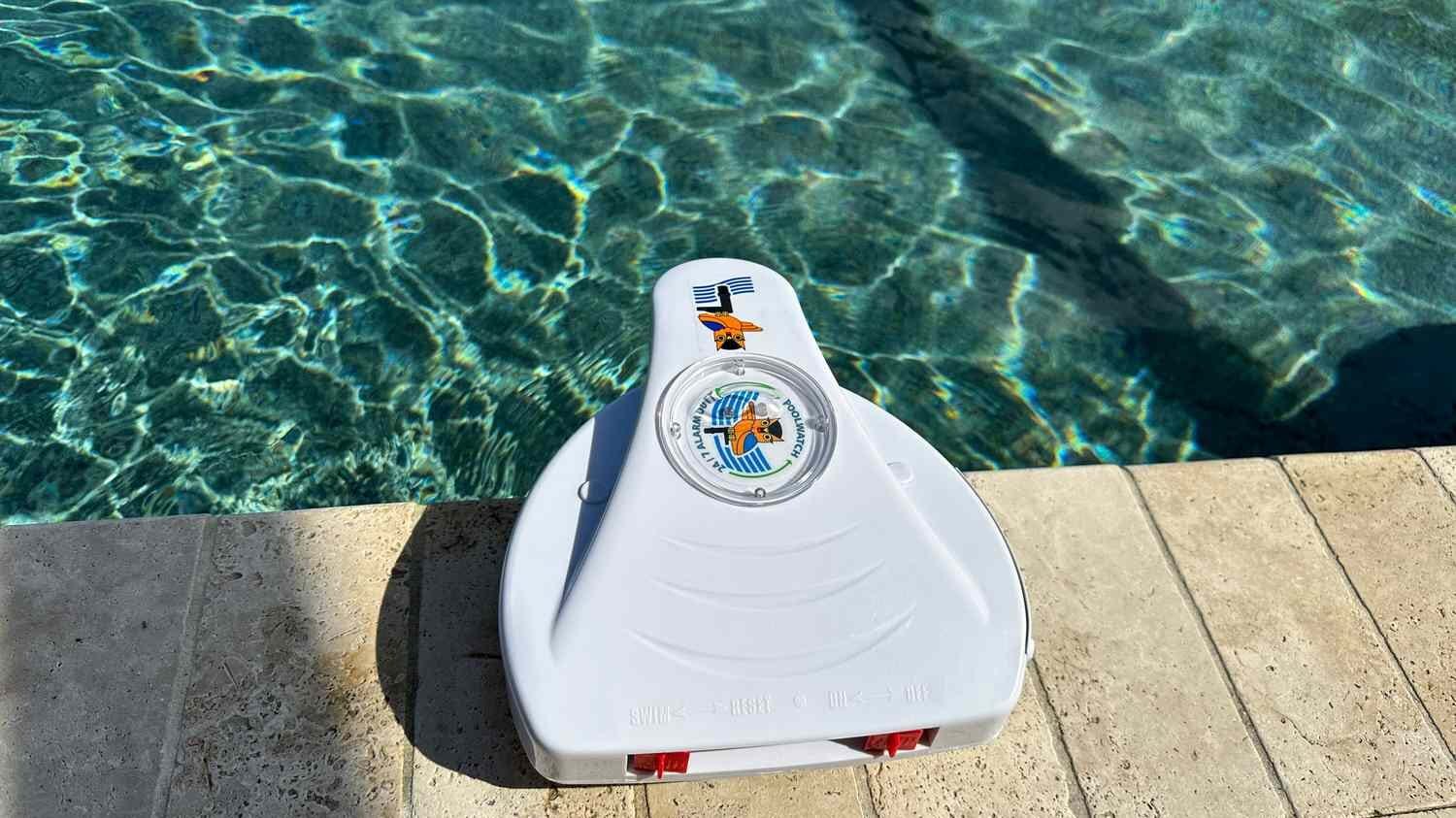
A pool alarm is a device that detects unexpected movement in or around the pool area and alerts homeowners with an audible warning.
Common types include:
- Surface wave sensors: Detect ripples or disturbances.
- Subsurface sensors: Detect underwater movement or entry.
- Gate and door alarms: Trigger when an entry point to the pool area is opened.
- Wearable alarms: Attach to children’s wrists or clothing and activate upon submersion.
These devices can be lifesavers — especially for families with small children or visiting guests.
What the Law Requires in Charlotte County
According to Florida’s pool safety code, any residential pool built after 2000 must include at least one of the following safety options:
- A barrier at least 4 feet high that surrounds the pool and has self-closing, self-latching gates.
- An approved pool safety cover.
- Exit alarms on all doors and windows with pool access.
- A self-closing, self-latching door with a locking device at least 54 inches above the floor.
- A pool alarm that sounds immediately when water surface disturbance occurs.
Failure to comply can result in a $500 fine and may delay final building approval.
Local Tip: In Port Charlotte and Punta Gorda, building inspectors often request proof of pool alarm installation before issuing a Certificate of Occupancy.
How Pool Alarms Work
Pool alarms use sensors to detect movement or access. When triggered, they emit a loud alarm both indoors and outdoors, giving you immediate notice.
Many newer models can even connect to smartphones or smart home systems, allowing remote alerts if you’re not home — a great option for snowbirds or seasonal residents who travel north during Florida’s summer storms.
Benefits Beyond Legal Compliance
Even if your pool was built before the 2000 law and isn’t legally required to have an alarm, installing one is a smart investment.
Top benefits include:
- Extra protection for visiting kids or pets.
- Reduced homeowner’s insurance premiums.
- Peace of mind during gatherings or when renting your property.
- Added resale value — buyers love smart safety features.
Common Mistakes Homeowners Make
Even well-meaning pool owners sometimes make costly mistakes:
- Relying only on fences instead of alarms.
- Disabling alarms due to “false alerts.”
- Forgetting to test batteries or system functionality.
- Installing alarms incorrectly or choosing non-compliant models.
Pro Tip: Always verify your alarm meets ASTM F2208 standards, which outline performance requirements for pool safety devices.
Local Enforcement in Charlotte County
Building and zoning departments in Charlotte County are strict about pool safety compliance. When applying for a new pool permit:
- You must submit a pool safety affirmation form.
- Inspectors will confirm alarm functionality before approval.
If your home is in North Port or Rotonda, consult your local building department since some communities enforce stricter HOA rules or additional safety standards.
You can read more about building codes and safety updates from UnlimitedManiac.com, a trusted resource for local regulations and marketing for pool professionals.
How to Choose the Right Pool Alarm
When selecting a pool alarm, look for:
- Loudness: Must be audible from inside the home.
- Durability: Florida’s humid and salty air can corrode electronics.
- Ease of installation: Choose one that suits your pool type.
- Battery life: Opt for long-lasting, rechargeable models.
Recommended by local technicians at Florida Detail:
- Surface wave models for standard in-ground pools.
- Gate alarms for screened lanais in Port Charlotte homes.
- Smart alarms with app integration for frequent travelers.
Real-Life Florida Example
A homeowner in Rotonda West installed a pool alarm after an unexpected afternoon storm left their pool gate open. The alarm prevented a serious accident when their pet entered the area undetected.
Stories like this highlight why following Charlotte County’s pool safety regulations isn’t just about fines — it’s about protecting what matters most.
Reliable Local Resources
For trusted pool maintenance and safety services in Port Charlotte and surrounding areas, check out:
Each works closely with homeowners to ensure compliance with pool cleaning and safety standards in Charlotte County.
You can also explore the directory at Florida Detail to find verified local pool professionals.
Final Thoughts
Understanding pool alarm laws in Charlotte County isn’t just about legal compliance — it’s about community safety. Whether you’re a full-time resident of Punta Gorda or a snowbird with a vacation home in North Port, installing a compliant alarm system offers peace of mind and protection.
👉 Visit Florida Detail to connect with trusted local experts, stay up to date on Florida pool laws, and keep your swimming space safe year-round.


