Maintaining a sparkling pool in Port Charlotte, Punta Gorda, North Port, Rotonda, and throughout Charlotte County is no small task. Among the common issues homeowners face, scale build-up on pool walls is particularly troublesome. Not only does it make your pool look dull, but it can also damage the surface and reduce the efficiency of your pool equipment. In this guide, we’ll explore why scale forms, how to treat it, and steps you can take to prevent it altogether.
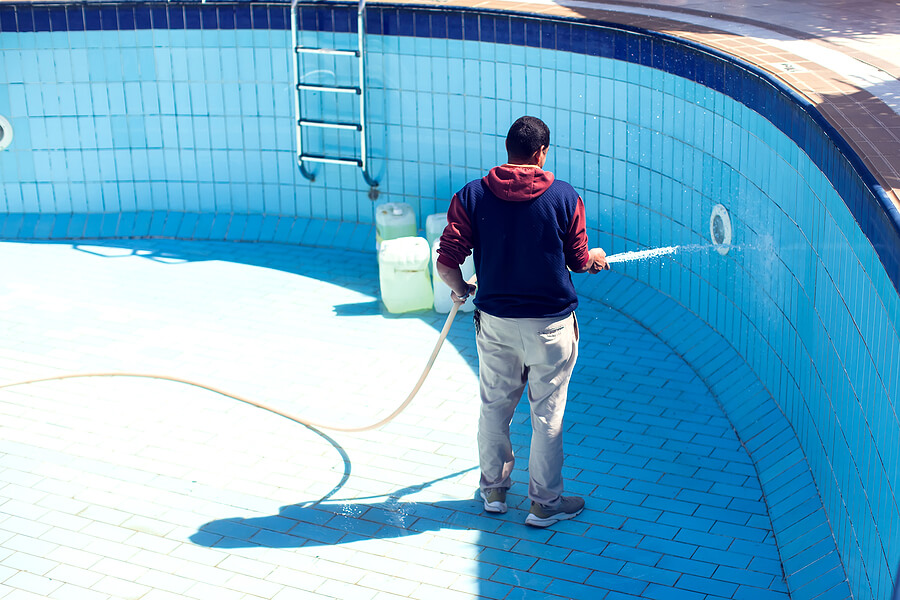
What Causes Scale Build-Up in Florida Pools?
Scale is a hard, crusty deposit that forms on pool walls and floors. It is primarily caused by high calcium hardness, pH imbalance, and water evaporation, which leaves minerals behind. Florida’s naturally hard water makes pools in Charlotte County more susceptible. Other contributing factors include:
- High alkalinity levels
- Poor water circulation
- Infrequent water testing
- Use of certain pool chemicals
⚠️ Pro Tip: Seasonal changes, like heavy rains and the influx of snowbirds, can disrupt chemical balance, increasing the risk of scale formation.
Identifying Scale in Your Pool
Recognizing scale early helps prevent costly repairs. Common signs include:
- White or gray chalky spots on pool walls
- Rough, sandpaper-like surfaces
- Waterline staining
- Reduced water flow in pool equipment
Some scale deposits may appear greenish or brown due to interaction with other minerals or algae growth.
Step-by-Step Guide to Treating Pool Scale
Treating scale effectively requires both the right chemicals and proper techniques. Here’s how:
1. Test Your Water
Before any treatment:
- Measure calcium hardness
- Check pH and total alkalinity
- Evaluate stabilizer levels
Proper water testing ensures that treatment is safe and effective.
2. Lower Calcium Levels
For pools in Port Charlotte and surrounding areas:
- Use a calcium reducer to bring levels down
- Consider partial water replacement if hardness is extremely high
3. Apply Descaling Agents
Choose a pool-safe descaler:
- Follow the manufacturer’s instructions carefully
- Brush the solution gently on scaled areas
- Allow the solution to react before circulating
4. Balance pH & Alkalinity
After scale removal:
- Maintain pH between 7.2 and 7.6
- Keep total alkalinity between 80-120 ppm
- Re-test water weekly to ensure balance
💡 Tip: Regular chemical checks are vital in Rotonda pools, especially during summer when evaporation is high.
Preventing Scale Build-Up
Prevention is always better than treatment. Effective strategies include:
1. Monitor Water Chemistry Weekly
Consistent testing in North Port and Punta Gorda ensures early detection of imbalances.
2. Maintain Proper Circulation
- Run your pump 8–12 hours daily
- Clean filters regularly to avoid stagnation
3. Use a Sequestering Agent
Sequestering agents prevent minerals from depositing on surfaces. They are especially useful in areas with hard water like Charlotte County.
4. Control Water Temperature
High temperatures accelerate scale formation. Use pool heaters wisely and cover your pool when not in use.
Common Mistakes to Avoid
Even experienced pool owners make mistakes that can encourage scale build-up:
- Ignoring regular pool maintenance
- Overusing calcium-based chemicals
- Skipping water testing after heavy rains
- Failing to brush walls and tiles
⚠️ Callout: Pools in Port Charlotte often experience scale after summer storms, making post-storm maintenance critical.
Tools & Products Recommended for Florida Pools
- Automatic pool brush – gently removes minor deposits
- Calcium reducer – lowers hardness without draining water
- pH and alkalinity kits – ensure accurate readings
- Sequestering agents – prevent mineral build-up
Local Expertise Matters
While DIY treatments work for minor scale, professional services ensure long-term protection. Companies like Florida Detail offer expert pool cleaning in Charlotte County, water testing, and preventive solutions tailored to Florida’s unique climate.
Other trusted resources include:
- UnlimitedManiac.com – local SEO & pool service marketing insights
- PortCharlottePoolService.com – local pool maintenance expertise
Maintenance Schedule for Preventing Scale
| Task | Frequency |
|---|---|
| Water testing | Weekly |
| Brushing walls | 2–3 times per week |
| Filter cleaning | Monthly |
| Sequestering agent application | Monthly during peak season |
Following this schedule reduces scale risk and keeps your pool crystal clear.
Conclusion: Keep Your Pool Sparkling Year-Round
Scale build-up is a common challenge in Florida pools, but with proper monitoring, chemical balance, and preventive care, you can keep your pool walls pristine. Whether you live in Punta Gorda, North Port, Rotonda, or Port Charlotte, maintaining your pool’s chemical health is key to avoiding costly repairs.
For comprehensive pool care, explore the directory of local service providers and connect with experts who can help you maintain, treat, and prevent scale in your Florida pool.
✅ Take Action Now: Visit Florida Detail to schedule professional pool maintenance or learn more about pool cleaning in Charlotte County.


