
Maintaining a clean and safe pool in Florida can be expensive if chemical use is not monitored carefully. Homeowners in Port Charlotte, Punta Gorda, North Port, Rotonda, and throughout Charlotte County often struggle with fluctuating chemical costs due to heavy sun, seasonal algae growth, and unexpected storms. This guide from Florida Detail offers practical strategies to track, optimize, and reduce your pool chemical expenses while keeping your water sparkling clean.

Why Pool Chemical Costs Matter
Pool chemicals—chlorine, algaecides, pH adjusters, and stabilizers—are essential for preventing algae, bacteria, and cloudy water. However, overuse or inefficient application can quickly inflate your monthly expenses.
Key factors affecting chemical costs:
- Weather conditions: Florida’s intense sun can degrade chlorine faster. Storms introduce debris that increases sanitizer demand.
- Pool usage: More swimmers = more contaminants = more chemicals.
- Water balance issues: Improper pH or alkalinity levels cause chemicals to work less efficiently.
Proper monitoring not only saves money but extends the life of your equipment.
Step 1: Keep a Chemical Log
Tracking chemical usage is the foundation of cost reduction. Use a simple notebook or a digital spreadsheet.
What to record:
- Date of testing
- Chemical readings (pH, chlorine, alkalinity, stabilizer, calcium hardness)
- Chemicals added (type and amount)
- Weather or unusual pool events
💡 Pro Tip: Digital tools like pool management apps can sync with multiple locations for homeowners with more than one pool, common in North Port or Rotonda estates.
Step 2: Test Water Regularly
Frequent testing prevents overuse of chemicals. In Florida, it’s recommended to test at least 2–3 times per week, especially during summer or after heavy storms.
Testing tools:
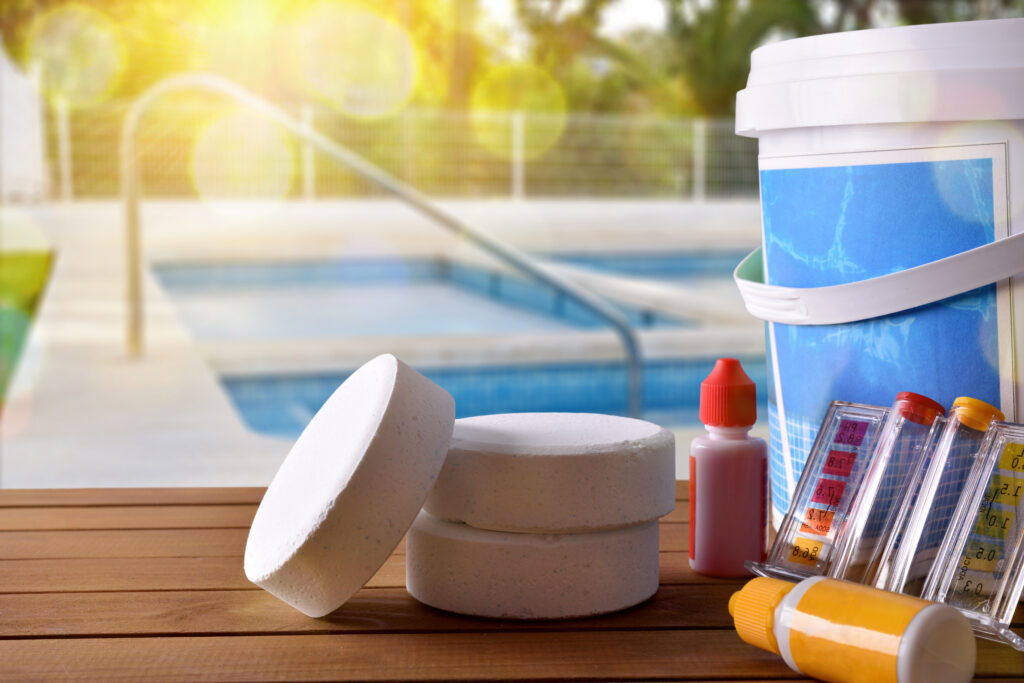
- Liquid test kits
- Digital testers
- Test strips (for quick checks)
Consistent testing ensures that your pool chemicals are used efficiently and prevents unnecessary expenditure on over-treating your pool.
Step 3: Optimize Chemical Dosages
Using the right amount of chemicals keeps your pool safe and prevents wastage.
Tips for optimization:
- Adjust doses based on pool volume. Many Port Charlotte pools vary significantly in size.
- Apply chemicals in the evening to reduce UV degradation.
- Use stabilized chlorine to extend effectiveness in sunny Florida conditions.
- Consider slow-dissolving chlorine tabs for consistent levels.
Step 4: Reduce Algae Growth Naturally
Algae spikes increase chemical use. Preventing it reduces the overall cost.
Preventive measures:
- Run your pump for 8–12 hours daily.
- Brush walls and floors weekly.
- Use a pool cover to reduce debris.
- Regularly clean filters and skimmers.
Local homeowners in Charlotte County often report significant savings by combining weekly pool service with proper circulation and cover use.
Step 5: Consider Alternative Chemical Options
Alternative chemical strategies may reduce expenses:
- Saltwater systems reduce the need for manual chlorine addition.
- Liquid chlorine vs. tablets: Liquid may be cheaper in the short term but requires careful monitoring.
- Shock treatments: Targeted shocks after storms prevent algae blooms, reducing weekly chemical demand.
Florida Detail can help you select the right chemical system based on your pool size and local environmental factors.
Step 6: Maintain Pool Equipment
Chemical efficiency is affected by filters, pumps, and circulation systems. Neglected equipment can lead to overuse of chemicals.
Maintenance checklist:
- Clean or backwash filters regularly
- Check for leaks in pipes or skimmers
- Inspect pump performance and circulation rates
- Service heaters if applicable
Well-maintained equipment ensures that chemicals are distributed evenly and work effectively, reducing unnecessary costs.
Step 7: Seasonal Adjustments
Florida pools face seasonal challenges:
- Summer: More algae due to heat and sun → slightly higher chemical use
- Rainy season: Debris and runoff increase sanitizer demand
- Winter/Snowbirds: Reduced use may require lower chemical dosing, but still maintain sanitizer levels
Adjusting your chemical plan based on seasonal usage prevents over-treatment and reduces costs throughout Punta Gorda, North Port, and nearby areas.
Step 8: Work with Local Pool Experts
Partnering with local professionals ensures efficient chemical use and long-term savings.
Benefits:
- Expertise in local water conditions
- Proper chemical balancing for specific Florida climates
- Preventative care reduces long-term expenses
Learn more about pool cleaning in Charlotte County from certified local providers. You can also explore marketing resources like UnlimitedManiac.com for seasonal pool care insights.
Quick Cost-Saving Checklist
- Track every chemical addition
- Test water 2–3 times per week
- Apply chemicals in the evening
- Prevent algae naturally
- Maintain all pool equipment
- Adjust for seasonal usage
- Consult local pool service experts
✅ Implementing these strategies can reduce chemical costs by 20–40% annually while keeping your pool safe and clean.
Conclusion
Efficient chemical management is essential for every Florida pool owner. By tracking usage, testing regularly, optimizing doses, and maintaining equipment, homeowners in Port Charlotte, Punta Gorda, North Port, Rotonda, and across Charlotte County can save money and enjoy crystal-clear water all year round.
For more information and professional support, explore our Services, check out other blog resources, or contact us to connect with trusted local pool service providers.
Keep your pool healthy, reduce chemical costs, and enjoy a sparkling backyard oasis with expert guidance from Florida Detail.


