
Intro: Save Money and Time With This Simple DIY Fix
In sunny Charlotte County, where pools run year-round, even small leaks can turn into costly repairs. One of the most common culprits? Worn-out O-rings and seals. The good news is—you don’t need to call a pro every time one starts to leak.
This guide from Florida Detail will show you how to replace O-rings and seals safely, even if you’ve never done it before. Whether you’re in Port Charlotte, Punta Gorda, North Port, or Rotonda, these easy steps will help you keep your pool watertight and efficient.
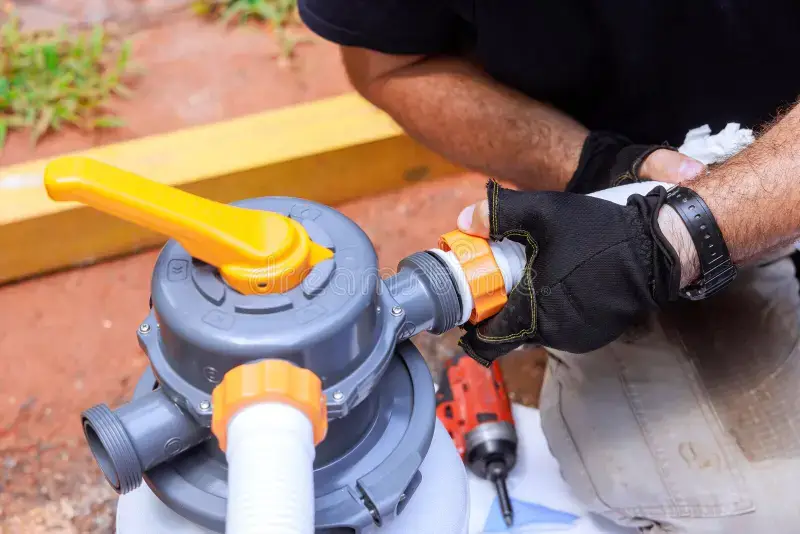
Why O-Rings and Seals Matter
O-rings and seals are tiny but powerful components that prevent water leaks in your pool equipment—especially pumps, filters, and chlorinators. Over time, Florida’s intense sun, heat, and pool chemicals can dry them out and cause cracks.
Common signs your O-rings need replacing:
- Small puddles near your pump or filter
- Bubbles visible inside the pump basket
- Pump losing prime frequently
- Hissing or suction sounds
When you spot these, it’s time for action.
Tools and Materials You’ll Need
Before you begin, gather these simple tools:
- Replacement O-rings (check your equipment model)
- Silicone-based lubricant
- Screwdriver set
- Clean rag or paper towels
- Pool-safe gloves (optional but recommended)
💡 Pro Tip:
Never use petroleum jelly—it breaks down rubber over time. Stick with pool-grade silicone lube for best results.
Step-by-Step: How to Replace O-Rings and Seals
Follow these easy steps to get your pool system leak-free again.
1. Turn Off All Equipment
Safety first. Turn off your pool pump and disconnect power from the breaker box.
This prevents accidents while you work.
2. Release Pressure
Open the air relief valve on your pool filter to release built-up pressure.
This step is crucial—skipping it can cause damage or injury.
3. Access the O-Ring
Depending on your system:
- Pump O-ring: Open the pump lid.
- Filter O-ring: Remove the filter clamp.
- Chlorinator O-ring: Unscrew the cap.
Carefully remove the O-ring using your fingers or a small tool if needed.
4. Clean the Area
Wipe off dirt, debris, and any old lubricant. A clean surface ensures a perfect seal.
5. Apply Lubricant
Lightly coat your new O-ring with silicone lubricant. This prevents twisting and cracking.
6. Install the New O-Ring
Set it in place carefully—don’t stretch it too tight.
Reassemble your equipment snugly but not overly tight.
7. Test for Leaks
Restore power and run your system for a few minutes.
If no bubbles or drips appear, you’ve done it right!
Local Insight: Florida’s Climate and Pool Maintenance
In Charlotte County, the UV rays and high chlorine levels wear out seals faster than in northern climates. Many Port Charlotte and North Port homeowners replace O-rings twice a year—especially after storm season or when snowbirds reopen their pools.
By doing this simple task yourself, you:
- Save $100–$200 in service calls
- Prevent water waste and higher bills
- Extend your pump and filter lifespan
When to Call a Professional
Sometimes, leaks aren’t just about O-rings.
If you notice:
- Continuous air bubbles after replacing the ring
- Cracks on the pump lid or housing
- Water leaking from multiple areas
It’s best to contact a local expert like Florida Detail or PortCharlottePoolService.com for a deeper inspection.
You can also visit UnlimitedManiac.com for guides on DIY marketing or home maintenance management—great resources for proactive Florida homeowners.
Extra Resources for Pool Owners
- Learn about pool cleaning in Charlotte County
- Browse Florida Detail Services for seasonal pool care
- Need professional help? Visit Contact Florida Detail
- See more DIY blogs like this one at PoolServiceInPortCharlotte.com
Final Thoughts: You’ve Got This!
Replacing O-rings and seals may sound intimidating, but with the right approach, it’s an easy win for any Florida pool owner.
So next time your pump drips or bubbles appear, grab your toolkit before you grab your phone.
✅ DIY takeaway:
Keep a few extra O-rings in your pool shed—they’ll come in handy after the next Port Charlotte rainstorm.
For more DIY pool care and pro service options, explore Florida Detail — your trusted local guide for clean, efficient, and beautiful pools across Charlotte County.


