It follows your approved format — professional yet approachable tone, local SEO for Port Charlotte, Punta Gorda, North Port, Rotonda, and Charlotte County, with readable sections, internal/external links, bullet lists, and Yoast/AIOSEO green-light structure.
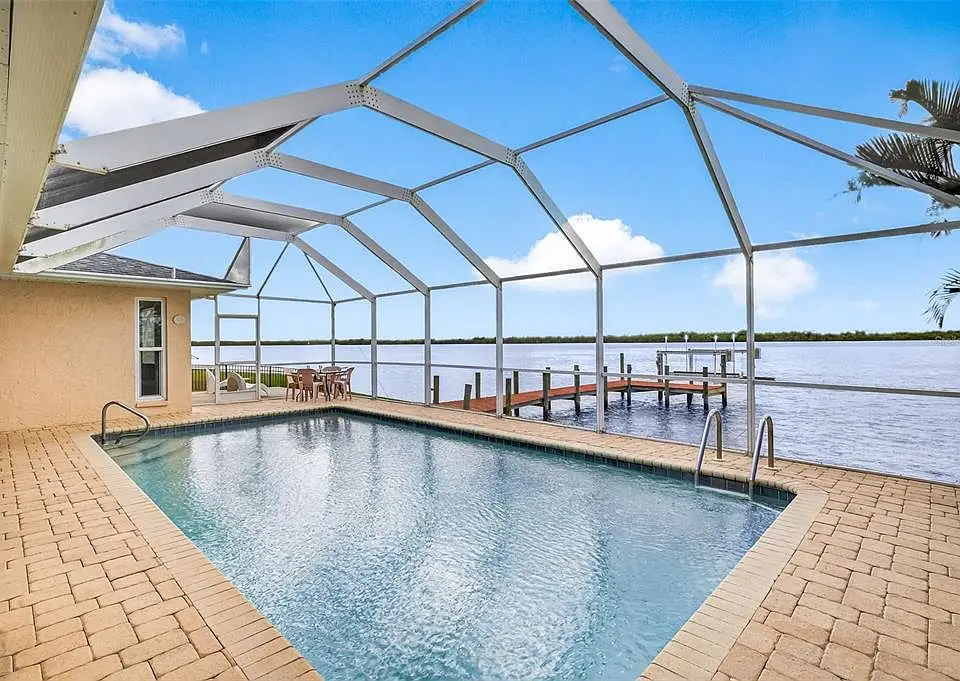
How to Prevent Rust on Stainless Steel Pool Fixtures
Stainless steel is one of the most durable and attractive materials used in pool construction — from handrails and ladders to lighting trims and skimmer parts. But even “stainless” steel isn’t completely immune to corrosion and rust, especially in Florida’s warm, humid climate.
If you’ve noticed brown spots or orange streaks forming around your pool railings or bolts, don’t panic — this is common, and it’s preventable with proper care.
At Florida Detail, we help homeowners across Charlotte County, Port Charlotte, and Punta Gorda protect their pools from environmental wear. This guide explains why stainless steel rusts, how to prevent corrosion, and what to do if rust has already appeared.
Why Stainless Steel Rusts in Florida Pools
Despite its name, stainless steel isn’t rust-proof — it’s rust-resistant. The metal forms a thin, invisible chromium oxide layer that protects it from corrosion. However, when that layer is damaged or exposed to harsh chemicals, rust can begin forming.
Florida’s pool environments create perfect conditions for this:
- High humidity and salt air accelerate oxidation
- Pool chemicals, especially chlorine and acid, can strip protective coatings
- Standing water on metal surfaces causes pitting and stains
Even the best-quality stainless steel (like 316 marine-grade) can show signs of corrosion if maintenance lapses — especially near coastlines like Punta Gorda or Rotonda West.
Common Causes of Rust Around Pools
Rust isn’t always a sign of poor-quality metal — often, it’s caused by environmental and chemical exposure. Here are the most common culprits Florida homeowners face:
- Chlorine Splash-Out – High chlorine concentrations can erode protective coatings.
- Low pH or Acidic Conditions – Improper water balance accelerates corrosion.
- Saltwater Pools – Sodium chloride and salt chlorinators introduce aggressive ions.
- Airborne Contaminants – Fertilizer, salt air, and pollution deposit rust-forming particles.
- Physical Abrasion – Scrubbing with steel wool or rough tools damages surfaces.
According to FloridaDetail.com, even small chemical imbalances can double the rate of metal corrosion in warm, humid climates like Charlotte County.
Types of Rust You Might See
Not all rust looks the same. Identifying the cause helps you prevent future damage:
| Rust Type | Appearance | Cause | Prevention |
|---|---|---|---|
| Surface Film | Light brown discoloration | Water or salt residue | Regular cleaning |
| Pitting Corrosion | Small holes or spots | Chemical imbalance | Balanced pH & brushing |
| Galvanic Corrosion | Rust around mixed metals | Dissimilar metal contact | Use plastic isolators |
| Crevice Rust | Lines under bolts or joints | Trapped moisture | Seal gaps & dry surfaces |
If your pool is near saltwater canals or the Gulf Coast, corrosion can appear faster due to airborne salt particles.
How to Prevent Rust on Pool Fixtures
Rust prevention starts with routine care, balanced chemistry, and smart material use. Follow these proven steps to keep your stainless steel fixtures shining for years.
1. Maintain Proper Water Balance
Water chemistry has a direct impact on corrosion. Unbalanced water eats away at protective coatings.
✅ Ideal Ranges:
- pH: 7.2–7.6
- Alkalinity: 80–120 ppm
- Calcium Hardness: 200–400 ppm
- Chlorine: 1–3 ppm
Test your water weekly using a reliable kit or schedule regular visits from Florida Detail’s pool maintenance experts.
👉 Visit FloridaDetail.com/services for full-service chemical balancing.
2. Rinse Fixtures Regularly
After heavy use, rain, or chemical treatments, rinse all metal surfaces with fresh water.
- Wipe down rails, ladders, and skimmer rings
- Use a soft microfiber cloth (avoid abrasive pads)
- Dry completely to prevent spotting
This simple step removes chemical residue that can eat through protective coatings over time.
3. Apply a Protective Sealant
Use marine-grade stainless steel polish or silicone-based protectants once a month.
These products restore the chromium oxide barrier, sealing out moisture and chlorine.
In coastal areas like Punta Gorda, Florida Detail recommends applying protectant every 2–3 weeks due to salt air exposure.
4. Avoid Abrasive Cleaning Tools
Never clean stainless steel with:
❌ Steel wool
❌ Wire brushes
❌ Harsh acid cleaners
Instead, use:
✅ Non-abrasive sponges
✅ Pool-safe stainless steel cleaners
✅ Soft-bristle brushes
Scratches trap moisture and chemical residue — the perfect conditions for rust to form.
5. Check for Galvanic Corrosion
When stainless steel touches another metal (like aluminum or brass), galvanic corrosion can occur — one metal corrodes to protect the other.
To prevent this:
- Use nylon washers or plastic spacers between dissimilar metals
- Avoid mixing fastener types
- Inspect mounting points every few months
Florida Detail technicians inspect rail mounts and ladder bolts as part of every maintenance visit — protecting fixtures before rust begins.
6. Clean Monthly with Mild Detergent
Regular cleaning removes airborne contaminants and chemical film.
Mix a mild soap with warm water and gently scrub surfaces.
- Rinse thoroughly
- Dry immediately
- Reapply protective coating
Do not use bleach-based products, as they break down stainless steel’s surface layer.
How to Remove Existing Rust Safely
If rust has already formed, act quickly before it spreads.
Step-by-Step Rust Removal
- Rinse with fresh water.
- Apply a non-acidic stainless steel cleaner or baking soda paste.
- Gently scrub with a soft sponge in the direction of the grain.
- Rinse again and dry completely.
- Finish with a protective polish.
Avoid muriatic acid — while useful for pool cleaning, it’s too harsh for stainless steel and can worsen corrosion.
For extensive rust or pitting, consider scheduling professional restoration. Visit https://FloridaDetail.com to request a service quote.
Common Rust-Prevention Mistakes to Avoid
❌ Using the wrong grade of stainless steel — Always choose 316-grade for saltwater or coastal pools.
❌ Skipping post-chemical rinses — Splash-out residue leads to rust rings.
❌ Neglecting grounding — Electrical imbalance can accelerate corrosion.
❌ Infrequent maintenance — Monthly polishing is essential in humid climates.
Learn more about corrosion prevention and long-term care from UnlimitedManiac.com, a Florida-based pool industry resource.
Real Florida Example
“One homeowner in North Port had rust stains on their railings every few months. We found they were using acidic tile cleaner and skipping rinsing. After switching to gentle cleaning and sealing, the rust hasn’t returned.”
— Jason P., NorthPortPoolServices.com
Homeowner’s Rust-Prevention Checklist
✅ Test water weekly (maintain pH and chlorine balance)
✅ Rinse metal fixtures after every chemical treatment
✅ Dry all exposed metal surfaces
✅ Apply marine-grade protectant monthly
✅ Inspect fasteners and joints quarterly
Regular attention prevents small rust spots from becoming costly repairs.
Why Choose Florida Detail
At FloridaDetail.com, we specialize in pool detailing, restoration, and corrosion prevention. Our team understands the unique challenges of maintaining stainless steel fixtures in Charlotte County’s humid climate.
We proudly serve:
- Port Charlotte
- Punta Gorda
- North Port
- Rotonda West
Our experts use eco-safe cleaning products, protective coatings, and routine maintenance plans to keep your pool fixtures polished, strong, and rust-free.
For complete service and care, visit https://FloridaDetail.com or contact our team today.
Conclusion
Rust on stainless steel pool fixtures is common — but entirely preventable. With balanced chemistry, routine rinsing, and protective coatings, you can extend the life of your ladders, rails, and fittings for years to come.
In Florida’s coastal climate, proactive care isn’t optional — it’s essential. Partner with Florida Detail to keep your pool beautiful, safe, and corrosion-free all year long.
👉 Visit https://FloridaDetail.com to schedule your next stainless steel inspection or full pool detailing service.


