Maintaining a sparkling, healthy pool in Florida isn’t just about keeping the water clear—it’s about controlling the unseen culprits: phosphates and organic contaminants. Pool owners in Port Charlotte, Punta Gorda, North Port, Rotonda, and across Charlotte County know that Florida’s unique climate—with heavy sun, seasonal storms, and active snowbird communities—can accelerate the buildup of these compounds, leading to algae growth and cloudy water.
In this guide, we’ll break down the causes of phosphate and organic contamination, the risks they pose, and actionable strategies for maintaining clean, balanced pools year-round.
H2: Understanding Phosphates in Your Pool
Phosphates are nutrients that algae feed on, and they can accumulate from several sources:
- Rainwater runoff during Florida storms
- Fertilizer and lawn care chemicals
- Leaves, debris, and other organic matter
- Swimwear detergents and body lotions
Callout: High phosphate levels don’t make your water unsafe, but they fuel algae growth, which can turn your pool green in a matter of days.
H3: Why Phosphates Are a Concern in Florida Pools
In areas like Charlotte County, phosphate buildup is common due to lush landscaping and frequent summer rains. Pools with elevated phosphates are more prone to:
- Algae blooms
- Cloudy water
- Increased chemical consumption
Keeping phosphate levels low is critical for effective pool maintenance, especially during Florida’s sunny peak months.
H2: Organic Contaminants: The Hidden Threat
Organic contaminants include leaves, grass clippings, insects, body oils, and sunscreen residues. While small, these particles can disrupt water chemistry and reduce sanitizer efficiency.
H3: Common Sources in Port Charlotte & Punta Gorda
- Debris from surrounding trees, especially during storm season
- Heavy swimmer activity in summer
- Seasonal snowbirds leaving pools uncovered for weeks
Tip: Even if your pool looks clean, microscopic organic material can encourage algae growth and chemical imbalances.
H2: How to Test Your Pool for Phosphates and Organics
Regular testing is key to managing these contaminants.
H3: Step-by-Step Testing Guide
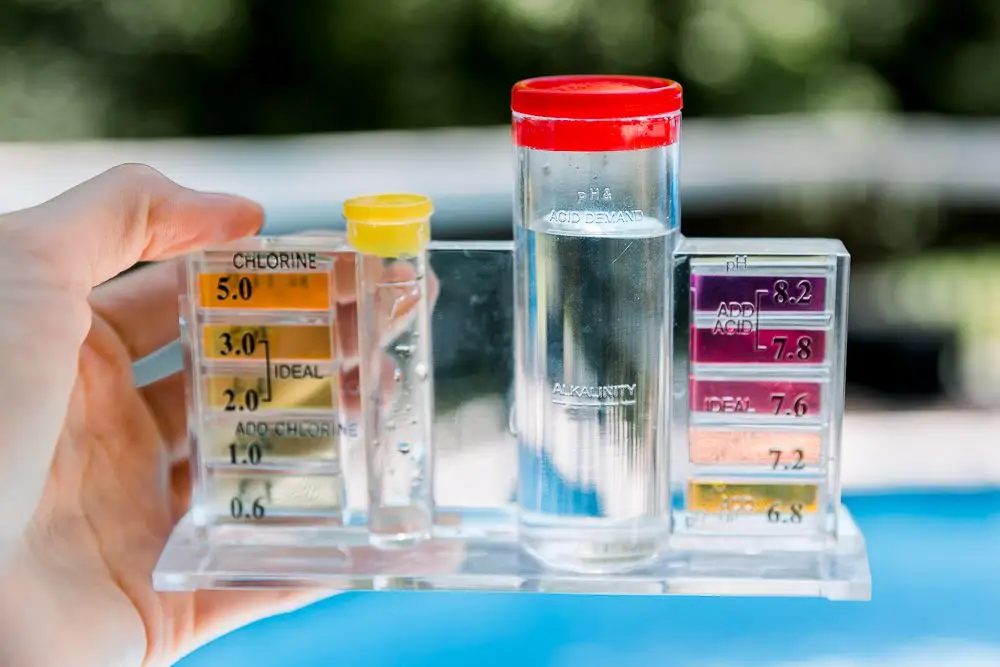
- Purchase a phosphate test kit – Available at local pool stores or online from Florida Detail.
- Collect a water sample – Take from elbow-depth in the pool center.
- Follow kit instructions – Compare results to recommended phosphate levels (<100 ppb for most pools).
- Organic matter test – Check water clarity, smell, and consider a total organic carbon (TOC) test if persistent algae occurs.
Pro Tip: Testing after heavy rainfall in North Port or Rotonda is especially important, as runoff can spike phosphate levels.
H2: How to Reduce Phosphate Levels
H3: Chemical Treatments
- Use a phosphate remover to precipitate phosphates and filter them out
- Adjust pool pH to recommended levels (7.2–7.6) to optimize chemical efficiency
H3: Physical Cleaning
- Regularly skim leaves and debris from the pool surface
- Vacuum pool floor weekly, especially in high-debris areas like Punta Gorda homes
- Clean skimmer baskets and filters to prevent organic accumulation
H2: Organic Contaminant Management Strategies
- Routine pool cleaning – Weekly cleaning reduces buildup of oils and debris.
- Shock treatments – Periodically shocking your pool oxidizes organic contaminants.
- Maintain sanitizer levels – Ensure chlorine or saltwater systems are balanced.
- Cover your pool – Use a high-quality pool cover when the pool is not in use, especially during storm season.
Callout: Regularly cleaning pool covers prevents trapped organic matter from leaching back into the water.
H2: Preventive Measures for Florida Pools
- Schedule weekly service with professionals like Florida Detail for routine monitoring and maintenance.
- Test water after heavy rains or high-usage periods.
- Educate swimmers on pool hygiene to minimize sunscreen and oil introduction.
- Keep landscaping trimmed to reduce leaf and debris runoff.
H2: Local Resources & Professional Help
For residents in Port Charlotte, North Port, Rotonda, Punta Gorda, consider leveraging local experts:
- PortCharlottePoolService.com – Pool cleaning & maintenance in Charlotte County
- NorthPortPoolCompany.com – Specialized in saltwater & chlorine pools
- UnlimitedManiac.com – Local SEO & pool maintenance directories
Tip: Even if you manage basic cleaning yourself, professional inspections help prevent long-term water chemistry problems.
H2: Key Takeaways
- Phosphates fuel algae growth, and organic contaminants reduce sanitizer effectiveness.
- Regular testing and chemical adjustments keep phosphate levels manageable.
- Weekly cleaning, vacuuming, and skimmer maintenance prevent organic accumulation.
- Using pool covers and professional services ensures year-round crystal-clear water.
H2: Conclusion: Protect Your Pool Today
Managing phosphates and organic contaminants in your Florida pool doesn’t have to be overwhelming. By following a proactive routine, testing regularly, and leveraging professional services like Florida Detail, homeowners in Charlotte County, Port Charlotte, Punta Gorda, North Port, and Rotonda can enjoy clean, safe, and inviting pools all year round.
Start today—explore your local pool service directory, connect with experts, and ensure your pool remains a relaxing oasis no matter the season.
Internal Links to Include:


