
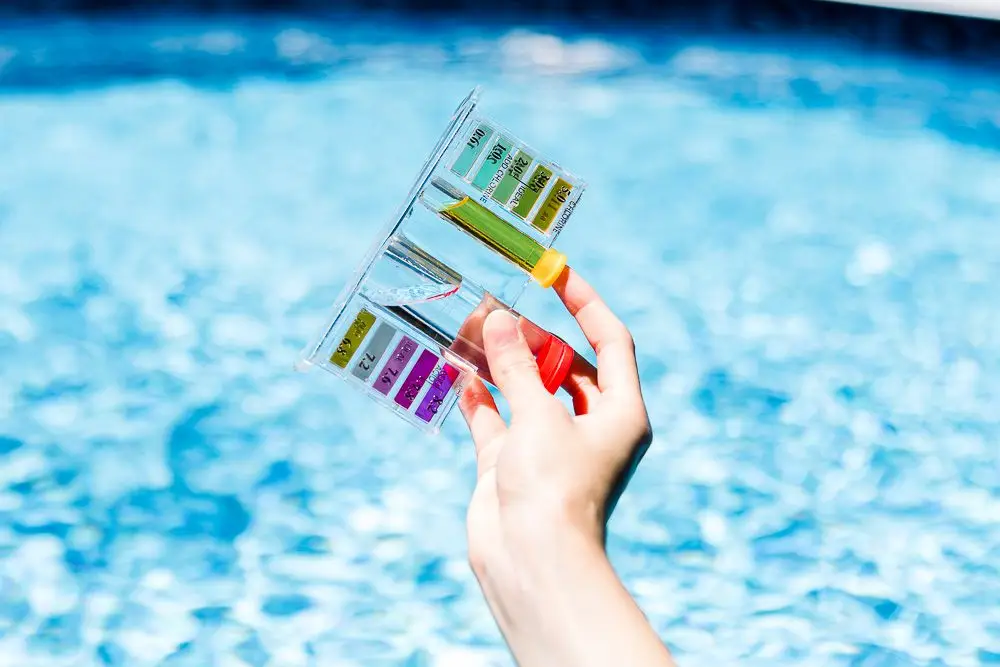
In Florida, pools experience constant changes in sunlight — from full exposure during midday to shaded periods in the morning or evening. These shade-to-sun transitions can dramatically affect your pool’s chemical balance, especially chlorine and pH levels. Understanding how to adjust during these cycles helps you keep your pool crystal-clear and safe year-round.
Why Sunlight Matters for Pool Chemistry
Sunlight, particularly UV rays, breaks down free chlorine in the water. When your pool transitions from shade to direct sun:
- Chlorine dissipates faster.
- pH levels may drift upward.
- Algae growth can accelerate due to warmer water.
Fact: Florida’s intense UV exposure can destroy up to 90% of chlorine in just two hours if unstabilized.
Step 1: Use Stabilizer (Cyanuric Acid) Wisely
Cyanuric acid (CYA) acts as sunscreen for chlorine — it helps slow down chlorine loss caused by sunlight.
Ideal Range:
- 30–50 ppm for most Florida pools.
- Over 60 ppm can reduce chlorine effectiveness.
Pro Tip: If your pool stays shaded most of the day, keep CYA closer to 30 ppm to avoid chlorine “lock.”
Step 2: Adjust Chlorine Dosing Based on Exposure
Pools that get direct sun in the afternoon need more chlorine than those shaded all day.
Recommended Strategy:
- Morning dose: For shaded pools.
- Afternoon top-up: For sun-heavy pools, especially during summer.
Automated chlorinators or saltwater systems can help maintain a steady chlorine level without overdoing it.
Step 3: Monitor pH Fluctuations
Sunlight and temperature shifts can raise the pool’s pH.
High pH reduces chlorine’s ability to sanitize, leading to cloudy water or algae blooms.
Keep pH Between:
- 7.2 – 7.6
If your pool spends hours under strong sun, test pH every 2–3 days, especially after heavy rainfall.
Step 4: Watch for Algae Growth in Partial Shade
Algae thrives in shaded corners where circulation is weaker and chlorine exposure is lower.
Preventive Steps:
- Brush shaded walls and steps weekly.
- Direct pool jets toward low-circulation areas.
- Add algaecide every 2 weeks during the rainy season.
Step 5: Automate Testing and Balancing
For homeowners tired of manual testing, smart pool sensors can automatically track chlorine, pH, and temperature — sending alerts directly to your phone.
Brands like Pentair IntelliChem or Hayward Sense and Dispense work well in Florida’s humidity and high sun exposure.
Conclusion: Stay Ahead of the Sun
Florida’s shade-to-sun cycles are beautiful but demanding on your pool chemistry. By adjusting stabilizer levels, timing your chlorine doses, and monitoring pH carefully, you can prevent algae growth, cloudy water, and wasted chemicals — keeping your pool sparkling no matter how the light changes.


