Florida homeowners know the beauty of owning a pool—but also the challenges. When back-to-back storms hit Port Charlotte, Punta Gorda, North Port, or Rotonda, pool water can turn cloudy, green, or even unsafe within hours. If you live in Charlotte County, learning how to restore and maintain crystal-clear water after heavy rainfall is essential for both health and enjoyment.
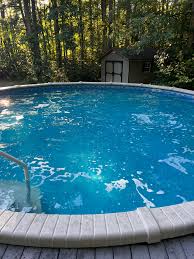
This guide will walk you through practical steps, professional insights, and local tips to keep your pool safe and sparkling after stormy weather.
Why Storms Affect Florida Pools
Hurricanes, tropical depressions, and even short summer thunderstorms can wreak havoc on your pool. Here’s why:
- Heavy rain dilutes pool chemicals → lowering chlorine and pH levels.
- Strong winds blow in debris → leaves, dirt, and even insects.
- Power outages shut off pumps → reducing circulation and filtration.
- Warm, stagnant water → creates a breeding ground for algae.
For pool owners across Charlotte County, fast action is the key to recovery.
H2: Immediate Steps After a Storm
1. Remove Large Debris First
Skim off branches, leaves, and visible debris before running your system. This prevents clogs in pumps and filters.
2. Check Water Levels
Storms can overflow pools. Drain excess water to return to safe operating levels.
3. Test the Water
Use a pool test kit to check chlorine, alkalinity, and pH. Expect numbers to be off balance after storms.
4. Shock the Pool
Adding shock treatment is often necessary to restore chlorine levels and kill bacteria.
H2: Restoring Water Clarity
Once you’ve stabilized your pool, focus on bringing back that crystal-clear look:
- Run the filter system continuously for 24–48 hours.
- Brush walls and steps to loosen dirt and algae spores.
- Vacuum the pool floor for finer debris.
- Add clarifiers if water still looks cloudy.
💡 Pro Tip: If your pool turns green, don’t panic. Green water usually indicates algae growth, which can be treated with shock, brushing, and proper chemical balancing.
H2: Preventing Problems Before the Next Storm
Since Florida’s storm season often brings back-to-back weather systems, prevention is just as important as cleanup:
- Trim nearby trees to reduce falling debris.
- Lower pool water slightly before an expected storm.
- Turn off electrical equipment if severe winds are forecast.
- Stock up on pool shock and test kits for quick response.
For recurring maintenance, explore pool cleaning in Charlotte County through the Florida Detail directory or trusted providers like NorthPortPoolServices.com.
Local Considerations for Charlotte County Pool Owners
- Port Charlotte: Afternoon summer storms can leave pools cloudy within hours.
- Punta Gorda: High winds from storms near the harbor bring extra debris.
- North Port: Family pools often need quicker post-storm recovery for kids.
- Rotonda: Open spaces and golf course winds can lead to heavy leaf drop.
For SEO and marketing strategies on promoting pool services after storms, check UnlimitedManiac.com—a go-to resource for local businesses.
H2: When to Call the Pros
Sometimes, DIY pool recovery isn’t enough. Call a professional if:
- Water stays cloudy after multiple treatments.
- The pool pump fails to restart.
- You’re unsure about chemical levels.
Visit Florida Detail to find trusted pool care experts in your area.
Conclusion: Stay Ahead of the Storm
In Charlotte County, storms are a way of life. But with the right steps, you can protect your pool from long-term damage and ensure your water stays safe and clear. By acting quickly after storms—and preparing ahead—you’ll save time, money, and stress.
👉 Ready to safeguard your pool year-round? Explore the Florida Detail directory for expert services, reliable pool cleaning in Charlotte County, and trusted local professionals.


