Big backyard gatherings are part of Florida life — from summer barbecues in Port Charlotte to weekend parties in Punta Gorda. But after the fun ends, you might notice something less enjoyable: a strong chlorine smell or musty pool odor.
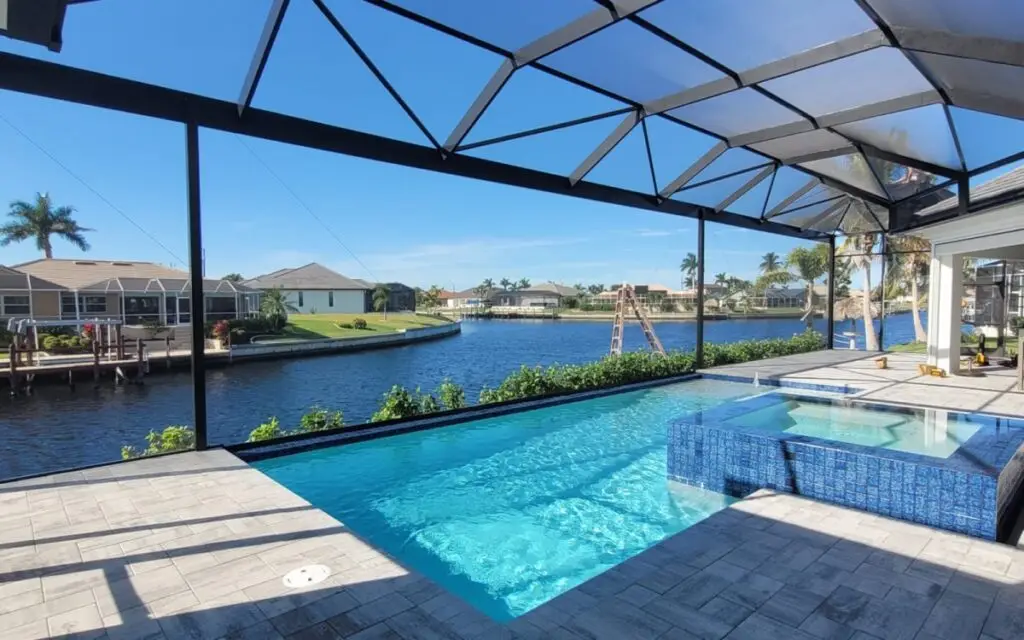
Many homeowners assume that smell means there’s “too much chlorine.” In reality, it’s often the opposite — a sign that your sanitizer is struggling to keep up.
If your pool in North Port, Rotonda, or anywhere across Charlotte County smells off after guests leave, don’t panic. Here’s how to identify the cause and restore fresh, clean water fast.
Why Pool Odors Happen
That sharp “chlorine smell” actually comes from chloramines, not pure chlorine. Chloramines form when chlorine bonds with sweat, sunscreen, urine, or organic matter from swimmers.
During heavy use — parties, holidays, or hot weekends — organic load skyrockets, overwhelming your sanitizer.
According to FloridaDetail.com, pool odor issues are one of the top five post-party maintenance calls in Charlotte County.
Step 1: Test Your Water Immediately
Start by testing your free chlorine (FC) and combined chlorine (CC) levels.
- Free Chlorine (FC): The active sanitizer fighting bacteria
- Combined Chlorine (CC): The spent form that creates bad smells
Your CC should stay below 0.5 ppm. Anything higher means you need to oxidize or shock the water.
✅ Ideal Post-Party Levels:
- FC: 2–4 ppm
- CC: < 0.5 ppm
- pH: 7.4–7.6
Tip: Always test with a reliable liquid kit — test strips can miss combined chlorine buildup.
Step 2: Shock the Pool
Shocking destroys chloramines and resets your chlorine efficiency. Use a calcium hypochlorite or non-chlorine oxidizer to break down odor-causing compounds.
How to Do It Safely:
- Run your pump continuously.
- Add shock at dusk or night to prevent UV degradation.
- Follow product label for dosage (usually 1 lb per 10,000 gallons).
- Circulate overnight, then retest chlorine levels in the morning.
Learn safe application methods in How to Use Flocculant Safely to Clear Extremely Cloudy Water.
Step 3: Brush and Vacuum the Pool
After shocking, brush pool walls, steps, and ladders. Chloramines often cling to surfaces.
Vacuum to remove debris and sunscreen residues that may have settled. For saltwater systems, this also keeps your salt cell from overworking.
✅ Focus on corners, waterline tiles, and step areas — where organic matter collects most.
Step 4: Clean Your Filter Thoroughly
Heavy guest use stirs up oils and dirt that clog your filter media. When filters get overloaded, chlorine efficiency drops — and odors persist.
Steps:
- Cartridge Filters: Remove and rinse with a hose. Use a filter cleaner if buildup remains.
- Sand Filters: Backwash until water runs clear.
- DE Filters: Backwash and recharge with new DE powder.
Florida Detail recommends deep filter cleaning after every major pool gathering in Charlotte County.
Step 5: Balance pH and Alkalinity
After oxidation, your pool’s chemistry may shift. Recheck:
- pH: Should remain between 7.4–7.6
- Total Alkalinity: 80–120 ppm
Low pH increases chlorine odor and eye irritation. High pH reduces sanitizer strength.
If needed, adjust using muriatic acid (to lower) or sodium bicarbonate (to raise).
For more guidance, see Pool Alkalinity 101: Why It Matters for Charlotte County Water.
Step 6: Add an Enzyme or Clarifier
If odors linger, introduce a pool enzyme product. Enzymes break down body oils, lotions, and sunscreen residues — the very things chlorine struggles to handle alone.
Alternatively, a water clarifier can bind small particles for easier filtration.
Pro Tip: In humid Rotonda conditions, weekly enzyme use keeps oily film and odor under control year-round.
Step 7: Increase Circulation and Aeration
Poor water movement concentrates smells near the surface. After shocking and balancing, run your system longer:
✅ Run pump 24 hours post-party.
✅ Point return jets slightly upward to break surface tension.
✅ Use aerators or fountains for better oxygen exchange.
For cooling and circulation benefits, read The Role of Aerators in Cooling Pool Water Naturally.
Step 8: Maintain Regular Sanitizer Levels
Prevention beats cleanup. After large gatherings, boost chlorine for 24–48 hours:
- Add liquid chlorine or increase your salt cell output temporarily.
- Retest daily until readings stabilize.
For saltwater systems, check your cell cleanliness — high organic load can reduce chlorine production.
Step 9: Keep Swimmers Informed
Odors often return because guests skip pre-swim rinses. Encourage everyone to shower off sweat, lotions, and perfumes before entering.
Consider posting a friendly poolside reminder — small habits protect your chemistry balance.
According to Florida Detail, homeowner education reduces chloramine formation by up to 40% during peak season.
Step 10: Schedule Professional Service
If your water still smells musty after several days, organic contamination may be deeper in filters or plumbing. A professional cleaning includes:
- Full system flush
- Filter replacement
- pH and chlorine stabilization
- Enzyme and clarifier treatment
Contact https://FloridaDetail.com — your Charlotte County pool experts serving Port Charlotte, Punta Gorda, North Port, and Rotonda.
For advanced pool care insights and marketing tips, visit UnlimitedManiac.com.
Why Fast Action Matters
Pool odors aren’t just unpleasant — they signal chemical stress. Ignoring them leads to:
❌ Chlorine lock
❌ Cloudy water
❌ Skin and eye irritation
❌ Corrosion on fixtures
Quick testing and shocking after every event ensures water clarity and swimmer comfort.
Learn additional post-storm cleaning steps in Pool Chemistry Reset: How to Start Fresh After a Long Vacation.
Conclusion
A fresh-smelling pool means balanced chemistry and clean water. After hosting friends or family, follow these quick steps: test, shock, brush, clean filters, and rebalance.
By responding fast, you’ll restore water quality — and keep your Charlotte County backyard oasis party-ready all season long.
👉 Visit https://FloridaDetail.com to schedule your post-party pool cleaning or weekly maintenance service today.


