
If you’ve ever walked out to your pool and noticed your pump turning on and off randomly, running loud, or failing to prime — you’re not alone. Intermittent pump failures are one of the most common issues homeowners face across Port Charlotte, Punta Gorda, and North Port.
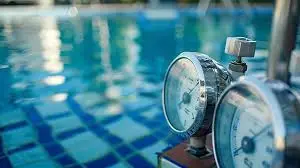
A healthy pool pump is the heart of your circulation system — it keeps water clean, chemicals balanced, and algae at bay. When it starts behaving unpredictably, it’s not just an inconvenience — it’s a signal that something deeper is wrong.
At Florida Detail, we’ve serviced thousands of pool pumps across Charlotte County, and we’ve seen nearly every possible cause for intermittent pump behavior. Below, you’ll learn how to identify the issue, troubleshoot like a pro, and know when it’s time to call an expert.
Why Pool Pumps Fail Intermittently
Intermittent pump failures can be frustrating because they’re not constant. The system might work fine for days, then suddenly shut off, trip the breaker, or lose suction.
These problems often come down to three categories:
✅ Electrical issues — wiring, power supply, or motor faults.
✅ Mechanical problems — impeller blockages or seal failures.
✅ Hydraulic imbalances — air leaks or low water levels.
Before diving in, remember: always turn off your breaker before inspecting electrical components.
Step 1: Check Power Supply and Circuit Breakers
A simple electrical hiccup can cause your pump to cycle on and off.
Start here:
- Inspect the breaker panel — reset any tripped switches.
- Check your timer — ensure it’s set correctly and not short-cycling.
- Inspect the GFCI outlet — press “reset” to restore power.
In Port Charlotte, power surges from summer thunderstorms often trip GFCI outlets or cause loose connections.
✅ Pro Tip: Plug another small appliance (like a lamp) into the same outlet to confirm power supply.
If power cuts out repeatedly, contact a licensed electrician — not just a pool technician.
Step 2: Inspect the Pump Motor
If the motor runs briefly, then shuts off, overheating could be the cause.
Common culprits:
- Clogged ventilation openings
- Excess debris around the motor
- Age-related wear on bearings or windings
Florida’s intense heat accelerates motor fatigue, especially if airflow is blocked by mulch or debris.
✅ Solution:
- Clean motor vents with a dry brush.
- Ensure your pump has 6–12 inches of space on all sides for airflow.
- Schedule professional motor lubrication annually.
Learn more at FloridaDetail.com/services for motor tune-ups and replacements in Charlotte County.
Step 3: Look for Air Leaks in the System
Air entering the pump system is one of the most common causes of intermittent failure.
Air leaks cause the pump to lose prime — meaning it can’t pull water effectively.
Check these areas:
- Pump lid O-ring — dry or cracked seals allow air in.
- Skimmer water level — if water is too low, the pump sucks air.
- Unions or fittings — loose connections between pump and filter.
✅ Pro Tip: Apply a thin layer of pool lubricant to O-rings and tighten fittings by hand — never overtighten.
In Punta Gorda, where evaporation is high, top off your pool water weekly to prevent suction air leaks.
Step 4: Clean Out the Impeller
A clogged impeller can mimic pump failure by restricting water flow.
Signs of blockage:
- Weak suction
- Loud rattling sounds
- Intermittent shutdowns
To check:
- Turn off power.
- Remove the pump basket.
- Reach into the impeller opening and gently feel for debris.
You might find:
- Leaves or pine needles
- Hair or plastic
- Pebbles or seeds
✅ Pro Tip: Use needle-nose pliers to clear obstructions safely.
Regular filter and basket cleaning prevents impeller blockages — visit https://FloridaDetail.com for routine maintenance plans.
Step 5: Check for Low Voltage or Wiring Issues
Intermittent pump cycling can occur if your motor isn’t receiving enough voltage.
Low voltage leads to overheating, stalling, or repeated breaker trips.
Possible causes:
- Undersized extension cords (never recommended)
- Corroded terminals
- Damaged wires from rodents or moisture
✅ Pro Tip: Pumps should be hardwired or plugged directly into a dedicated GFCI circuit, not a shared line.
In older homes around Rotonda, outdated wiring often struggles with modern variable-speed pumps. Have a technician verify amperage and circuit load.
Step 6: Evaluate Water Flow and Filter Pressure
Low flow or clogged filters can cause intermittent shutdowns due to backpressure.
Check your pressure gauge — anything 10 PSI above clean filter pressure indicates it’s time for cleaning.
Steps to fix:
- Turn off pump.
- Open air relief valve.
- Backwash (sand filter) or rinse (cartridge filter).
- Restart system and monitor pressure.
✅ Pro Tip: Mark your “clean pressure” reading after each filter change — it helps spot performance drops early.
Explore Pool Filter Cleaning Hacks for Charlotte County Families on FloridaDetail.com/blog for more local maintenance tips.
Step 7: Examine the Pump Timer or Automation
If your pool is equipped with smart controls or automation, software glitches or incorrect settings can cause irregular pump cycles.
Solutions:
- Reboot your system or reset the timer.
- Ensure seasonal schedules are correct (especially after power outages).
- Update firmware if using a Wi-Fi-based system.
Visit Smart Controls & Automation for Pool Systems — Save Time & Chemicals on FloridaDetail.com/blog to optimize your automation settings.
Step 8: When to Call a Professional
If you’ve completed these checks and your pump still cycles off intermittently, the problem may be internal — such as a faulty capacitor, seized bearings, or motor winding damage.
These repairs require specialized tools and electrical expertise.
Florida Detail technicians can:
✅ Diagnose electrical and hydraulic failures.
✅ Rebuild or replace pump motors.
✅ Rebalance plumbing and ensure efficient water flow.
Schedule service at https://FloridaDetail.com/contact to have a certified tech assess your system in Charlotte County.
Preventing Future Pump Failures
A few simple habits go a long way in extending pump life:
- Keep skimmer baskets and filters clean.
- Maintain proper water level.
- Schedule quarterly inspections.
- Keep the pump area free of debris for ventilation.
- Run your system during cooler morning hours to reduce heat strain.
Florida Detail performs preventive maintenance checks for residents across Punta Gorda, North Port, and Rotonda.
Common Mistakes to Avoid
❌ Running pump without water (causes overheating)
❌ Ignoring loud noises or vibration
❌ Using undersized wiring or extension cords
❌ Neglecting air leaks or clogged impellers
❌ Skipping regular cleanings
Each of these can shorten pump lifespan and increase energy use.
Why Professional Care Matters
Your pool pump is more than just equipment — it’s the lifeline of your entire pool system.
With Florida Detail, you get:
✅ Expert diagnosis for intermittent failures.
✅ Genuine replacement parts.
✅ Energy-efficient upgrades for Florida conditions.
From Port Charlotte to North Port, our local team understands how heat, humidity, and storms affect pump performance.
Conclusion
Intermittent pump failures can frustrate even the most experienced pool owners — but with the right troubleshooting steps, most problems can be fixed before costly repairs arise.
By inspecting power, air leaks, impellers, and automation systems, you’ll keep your pump running smoothly all year. And when things get tricky, trust Florida Detail — your local pool experts in Charlotte County.
👉 Visit https://FloridaDetail.com today to schedule your pump inspection or repair service.


