
Pool lighting adds more than beauty — it ensures evening visibility, enhances safety, and transforms your swimming area into a relaxing retreat. But when light fixtures become dirty, corroded, or filled with water, performance drops fast.
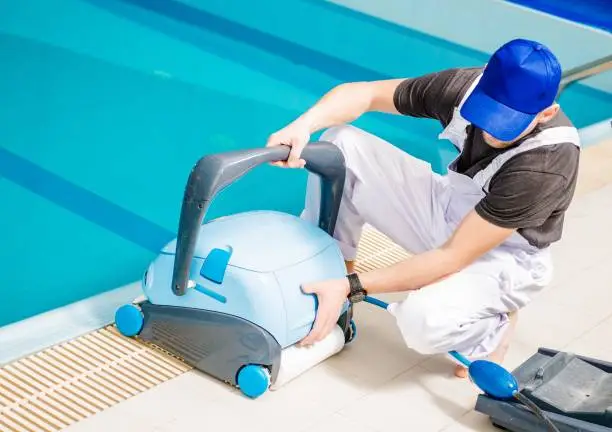
In humid Charlotte County, pool lights face constant exposure to moisture, chlorine, and Florida’s blazing UV rays. Without regular maintenance, you might notice flickering, cloudy lenses, or algae growth inside your fixture.
At Florida Detail, we help homeowners across Port Charlotte, Punta Gorda, North Port, and Rotonda West keep their pool lights shining bright — safely and efficiently. Here’s how to clean and maintain them the right way.
Why Pool Light Maintenance Matters
Dirty or corroded lights don’t just affect your pool’s look — they can pose electrical and safety risks.
Common Problems from Poor Maintenance:
- Dull or discolored light beams
- Water seeping behind the lens
- Burned-out bulbs due to trapped moisture
- Algae growth around fixtures
- Risk of short circuits if seals fail
Regular care ensures consistent illumination, prevents costly repairs, and keeps your pool safe for evening swimmers.
Step 1: Turn Off Power Before Handling Any Light
Before you touch any pool light, always turn off the circuit breaker. Even though modern pool lighting is low-voltage, mixing water and electricity is never safe.
✅ Checklist before cleaning:
- Turn off pool light power at the breaker box.
- Verify lights are off by visually checking.
- If you’re unsure, consult a licensed technician from FloridaDetail.com.
Never attempt electrical work if you’re not familiar with your pool’s wiring. Florida Detail always recommends professional service for fixture removal or rewiring.
Step 2: Remove the Fixture Safely
Most pool light fixtures are held in place by a single screw and can be carefully pulled to the deck for cleaning.
How to Do It:
- Locate the single screw (usually at the top of the fixture).
- Use a non-metallic screwdriver to avoid scratches.
- Gently pull the light toward the deck — it should have enough cord slack.
- Place the fixture on a clean towel to prevent lens scratches.
In Port Charlotte and North Port, older pools may have tighter fittings — don’t force them. If resistance occurs, contact a technician to avoid damaging seals.
Step 3: Inspect for Damage and Leaks
Once the fixture is out, look for signs of wear.
Check for:
- Cracks in the lens or housing
- Corrosion on the metal ring or screws
- Water inside the fixture (fog or droplets)
If water is present, the seal or gasket has likely failed and must be replaced. Operating with water inside can cause shorts or electrical shocks.
Florida Detail stocks replacement gaskets and lenses suitable for Florida’s salt and chlorine conditions.
Step 4: Clean the Lens and Fixture
What You’ll Need:
- Soft microfiber cloth
- Mild soap or non-abrasive cleaner
- Soft-bristle toothbrush
- White vinegar (for calcium deposits)
Cleaning Process:
- Rinse lens with fresh water.
- Apply a small amount of mild soap.
- Gently scrub algae, dirt, and film buildup.
- For stubborn mineral stains, soak a cloth in vinegar and wipe carefully.
- Rinse and dry thoroughly.
Avoid bleach or abrasive pads — they can scratch or cloud the lens, reducing light clarity.
Step 5: Replace Gaskets and Check Seals
The rubber gasket around your light keeps water out. Over time, chlorine and heat cause it to dry out, crack, or flatten, leading to leaks.
Replace Gasket If:
- You see any cracks or stiffness
- The light has fog or water inside
- The gasket is over 2 years old
Always use a manufacturer-approved gasket and lubricate it lightly with silicone pool lube before resealing.
In Punta Gorda’s humid air, failing to replace gaskets regularly is the top cause of fixture failure.
Step 6: Reinstall and Test
Once your light is cleaned and reassembled:
- Coil the cord neatly behind the light.
- Place the fixture back into the niche.
- Secure with the mounting screw.
- Restore power and test illumination.
If your light doesn’t turn on, double-check the breaker or contact Florida Detail’s electrical team for troubleshooting.
How Often Should You Clean Pool Lights?
- Monthly: Visually inspect for algae or buildup.
- Every 3–6 months: Remove and clean thoroughly.
- Annually: Replace gaskets and test seals.
In Charlotte County, algae and calcium buildup occur faster due to hard water and warm weather — consider more frequent cleaning during summer.
Florida-Specific Maintenance Tips
☀️ Heat & Sun Exposure
- Use UV-resistant gaskets and parts.
- Schedule maintenance early morning or late evening to avoid heat stress.
🌧️ Rain & Humidity
- Keep connections sealed to prevent moisture intrusion.
- Inspect after heavy storms for condensation or lens fog.
🌀 Hurricane Prep
- Turn off all pool power circuits during tropical storms.
- After the storm, inspect for debris or water intrusion before restoring power.
Learn more about storm prep at FloridaDetail.com/blog/hurricane-pool-equipment-protection.
LED vs. Halogen Fixtures: Maintenance Differences
LED Fixtures
✅ Long lifespan (10–15 years)
✅ Lower energy use
✅ Less heat, fewer gasket failures
Halogen Fixtures
⚠️ Generate more heat — faster gasket wear
⚠️ Require bulb replacement every 1–3 years
Florida Detail recommends LED upgrades for Port Charlotte and Rotonda homeowners seeking better efficiency and longer service intervals.
Common Mistakes to Avoid
❌ Cleaning lights without turning off power
❌ Using metal brushes or harsh cleaners
❌ Ignoring minor leaks or fog
❌ Reusing old gaskets
❌ Over-tightening screws (causes cracks)
Proper handling prevents expensive fixture replacements and keeps your pool area illuminated safely.
Real Florida Example
“One client in North Port noticed their light kept flickering. Our team found moisture behind the lens from a cracked gasket. After cleaning, resealing, and replacing the gasket, the fixture worked perfectly again.”
— Ryan C., NorthPortPoolServices.com
Florida Detail’s Pro Maintenance Checklist
✅ Turn off power before every inspection
✅ Clean lenses with soft cloth and mild cleaner
✅ Replace gaskets every 1–2 years
✅ Upgrade to LED for longevity
✅ Schedule annual inspection with licensed technician
Visit FloridaDetail.com to schedule pool light cleaning or repair in Port Charlotte, Punta Gorda, or North Port.
Why Choose Florida Detail
At Florida Detail, we combine expertise, safety, and local knowledge to keep your pool lighting system reliable and efficient. From LED upgrades to waterproof sealing, we handle everything — so your pool shines bright, night after night.
👉 Explore pool cleaning in Charlotte County or contact us directly at FloridaDetail.com/contact for expert lighting care.
For professional marketing and local SEO insights, check UnlimitedManiac.com — Florida’s trusted resource for pool business growth.
Conclusion
Pool lights are one of the most overlooked — yet essential — components of pool safety and style. By cleaning lenses, inspecting gaskets, and following Florida Detail’s safety steps, you’ll enjoy a brilliantly lit pool for years to come.
From Port Charlotte to Rotonda West, we’re here to help Florida homeowners maintain, repair, and upgrade their lighting systems with care and confidence.
👉 Visit https://FloridaDetail.com today to schedule your next light fixture maintenance or safety inspection.


