Owning a pool in Florida comes with sunshine, relaxation, and unfortunately, heavy UV exposure that can weaken your pool’s chlorine. That’s where cyanuric acid (CYA) — also called a pool stabilizer — plays a crucial role. Keeping stabilizer levels balanced ensures your chlorine lasts longer, your pool water stays clear, and your swimming experience remains safe.
In areas like Port Charlotte, Punta Gorda, North Port, Rotonda, and across Charlotte County, balancing pool stabilizer is especially important because of Florida’s intense sunlight and frequent storms.
In this guide, we’ll break down:
- What cyanuric acid does
- Ideal stabilizer ranges for Florida pools
- Step-by-step instructions to test and adjust levels
- Tips to avoid common mistakes
🌞 Why Pool Stabilizer (CYA) Is Important
Cyanuric acid acts as a “sunscreen” for chlorine. Without it, Florida’s strong UV rays can burn off 90% of your chlorine in just a few hours. With proper CYA levels, chlorine lasts longer, which saves you money and keeps your pool water consistently sanitized.
Key benefits of CYA in your pool:
- Shields chlorine from UV breakdown
- Reduces how often you need to add chlorine
- Keeps water safe and algae-free
- Improves chemical cost efficiency
📏 Ideal Stabilizer Levels
In Florida pools, the recommended range for cyanuric acid is:
- 30–50 ppm → For standard backyard pools
- 60–80 ppm → For saltwater pools
- Never exceed 100 ppm → Too much stabilizer locks chlorine, making it ineffective
💡 Pro tip: If you live in Charlotte County and your pool sees heavy use during tourist season or rental turnovers, test more frequently since CYA levels can rise from stabilized chlorine products.
🧪 How to Test Cyanuric Acid Levels
Testing your stabilizer is simple and should be part of your weekly pool care routine.
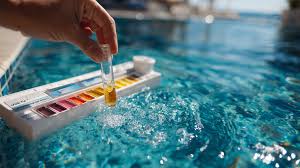
Options include:
- Test Strips – Quick, inexpensive, and easy for weekly checks.
- Liquid Test Kits – More accurate than strips for DIY testing.
- Professional Pool Service – Local experts in Port Charlotte or North Port can give precise readings.
👉 If you’re unsure about testing, check out our Services page to connect with professionals who handle water balancing for you.
⚙️ How to Add Stabilizer
If your pool stabilizer is too low, here’s how to raise it safely:
- Calculate dosage → Use a pool calculator based on your pool’s gallons.
- Use cyanuric acid granules → Available at pool supply stores.
- Add via skimmer or dissolve in a bucket → Slowly introduce stabilizer so it dissolves properly.
- Run pump for 24 hours → Ensures even distribution.
🚫 Avoid dumping directly into the pool surface — it can stain or damage finishes.
❌ How to Lower Stabilizer
Too much CYA is a common issue, especially if you use chlorine tablets regularly. Unfortunately, stabilizer doesn’t evaporate or break down quickly.
Ways to lower high CYA:
- Partial drain & refill – The most effective method in Florida.
- Reverse osmosis treatment – Available through some pool services.
- Switch to unstabilized chlorine – To avoid future buildup.
In Punta Gorda and Rotonda, where summer storms bring heavy rain, natural water dilution often helps lower stabilizer levels.
⚠️ Common Mistakes to Avoid
- Adding too much CYA at once → Hard to lower without draining
- Mixing different chlorine types carelessly → Can spike stabilizer levels
- Ignoring testing after storms → Heavy rainfall in Charlotte County can dilute your pool, lowering stabilizer unexpectedly
📍 Local Florida Tips
- After hurricanes or tropical storms, test stabilizer immediately since rainwater can drastically change chemistry.
- Seasonal snowbirds in North Port and Rotonda should balance stabilizer before leaving for months to avoid algae blooms.
- In Port Charlotte, hot summers mean UV levels are extreme — proper CYA is critical to protect chlorine.
✅ Internal & External Resources
- Explore our Home, Services, and Contact pages for more help.
- Learn more about pool cleaning in Charlotte County.
- Visit Florida Detail at https://FloridaDetail.com for trusted pool care resources.
- For marketing tips, see UnlimitedManiac.com.
- Local pool guides: PortCharlottePoolService.com, NorthPortPoolServices.com, PoolServiceInPortCharlotte.com.
🎯 Conclusion
Balancing your pool stabilizer (cyanuric acid) levels is essential for keeping your chlorine effective, water safe, and pool maintenance costs down. Whether you live in Port Charlotte, Punta Gorda, North Port, Rotonda, or anywhere in Charlotte County, regular testing and adjustments will help your pool handle Florida’s harsh UV rays and unpredictable storms.
👉 Looking for expert help? Browse Florida Detail to connect with trusted local pool professionals who can test, balance, and maintain your pool the right way.


