
H1: The Hidden Heroes of Your Pool System
When it comes to pool maintenance in Port Charlotte, Punta Gorda, or North Port, most people focus on filters, pumps, and chlorine levels. But few realize how vital O-rings and seals are in keeping the entire system watertight and efficient.
These small rubber components are what prevent leaks, air bubbles, and pressure loss in your filtration system. Ignoring them could mean cloudy water, energy waste, and expensive equipment damage.
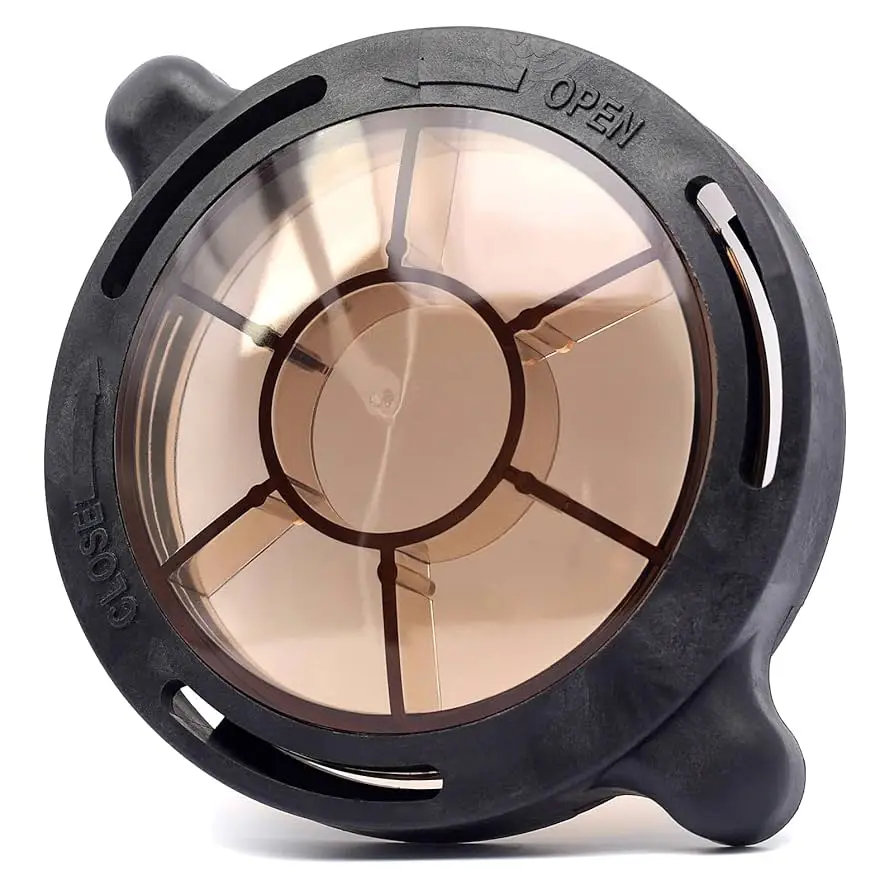
Let’s explore how often you should replace pool O-rings and seals — and how Florida’s unique climate makes regular maintenance even more essential.
H2: What Are Pool O-Rings and Seals?
Pool O-rings and seals are flexible rubber or silicone rings that sit between joints in your pool’s plumbing and filtration components — such as:
- Pump lids and housings
- Filter tanks and unions
- Chlorinators and salt cells
- Heaters and skimmers
Their job? To create an airtight, watertight seal that keeps your system running smoothly. Over time, these parts wear out due to heat, chemical exposure, and normal use.
H2: Why Florida’s Climate Shortens O-Ring Lifespan
If you live in Charlotte County, your pool operates in one of the toughest environments for rubber parts:
- High heat and humidity dry out rubber faster.
- Chlorine and salt exposure cause cracking and brittleness.
- Frequent use (especially in sunny Rotonda or North Port) puts seals under more pressure.
- Storm debris or sand can get into fittings and damage seals.
💡 Did you know? Pool owners in coastal Florida often need to replace O-rings twice as often as homeowners in cooler climates.
H2: How Often Should You Replace O-Rings and Seals?
While every pool setup is different, here’s a general guideline for replacement frequency in Florida Detail’s local service areas:
| Component | Typical Replacement Schedule | Notes |
|---|---|---|
| Pump Lid O-Ring | Every 1–2 years | Inspect every 6 months for flattening or cracks. |
| Filter Tank O-Ring | Every 2–3 years | Replace when cleaning or opening the filter. |
| Chlorinator O-Ring | Every 1 year | Salt exposure shortens lifespan. |
| Heater Union Seals | Every 2 years | Check after storm season. |
| Skimmer Lid Seal | Every 2–3 years | Replace if water leaks or suction drops. |
👉 Pro Tip: Keep a small O-ring and gasket kit on hand for quick fixes, especially before hurricane season hits Charlotte County.
H2: Signs It’s Time to Replace Your O-Rings
Don’t wait for leaks to become disasters. Watch for these warning signs:
- Air bubbles visible in the pump basket
- Loss of prime or reduced water flow
- Visible cracks or flattened O-rings
- Persistent drips or leaks at fittings
- Filter pressure that fluctuates abnormally
If you notice any of these issues, visit Florida Detail to connect with trusted pool technicians who specialize in pool cleaning in Charlotte County and seal replacements.
H2: The Step-by-Step Process of Replacing Pool O-Rings
Replacing O-rings isn’t complex, but doing it properly ensures longevity and performance.
Here’s a simple 5-step guide:
- Turn off all power to your pool system.
- Relieve pressure by opening the air relief valve on the filter.
- Remove the old O-ring, checking for brittleness or deformation.
- Clean the groove and apply a silicone-based lubricant (avoid petroleum grease).
- Install the new O-ring snugly — no twists or folds.
🧴 Always use pool-grade silicone lubricant. It extends the life of the seal and prevents sticking.
For visual learners, check our detailed how-to guide on Florida Detail — or reach out through our Contact page for expert help.
H2: Cost of Replacing Pool O-Rings in Charlotte County
Replacement is surprisingly affordable:
- O-rings: $5–$25 each
- Seal kits: $30–$75
- Professional replacement: $75–$150 service call
Compared to a $1,000+ pump replacement, this small maintenance step saves serious money.
Local services such as PoolServiceInPortCharlotte.com or NorthPortPoolServices.com offer quick turnaround times and use genuine manufacturer parts for reliability.
H2: How to Extend the Life of Your Pool O-Rings
Follow these simple maintenance habits to double your O-ring lifespan:
- Store spares in a cool, dark, dry place.
- Use non-petroleum silicone grease regularly.
- Inspect seals after storms or filter cleanings.
- Replace any that look flat, shiny, or brittle.
💡 Pro Tip: During seasonal closings or long vacations (especially for snowbirds), always release pressure and store extra parts sealed from sunlight.
H2: Local Example – Avoiding a Costly Leak in Punta Gorda
A homeowner in Punta Gorda noticed their pool pump losing prime each morning. After a quick inspection, they found the pump lid O-ring cracked in half. Replacing it with a lubricated, high-grade version fixed the issue immediately.
They later discovered similar tips through Florida Detail, which connects pool owners to verified service providers across Charlotte County and Rotonda.
H2: When to Call the Pros
If you’ve replaced the O-rings but still experience leaks, air bubbles, or strange noises, you might be dealing with warped housing or misaligned fittings.
Professional help ensures your system is pressure-tested and properly sealed. For trusted technicians, visit Florida Detail or partner sites like NorthPortPoolCompany.com.
You can also learn more about professional pool care and digital marketing insights for local businesses at UnlimitedManiac.com.
H2: Keep Your Pool Leak-Free Year-Round
Replacing O-rings and seals may seem minor, but it’s one of the most cost-effective ways to maintain efficiency, extend equipment life, and avoid major repairs.
Whether you’re a weekend pool owner in Rotonda or a full-time resident in Port Charlotte, preventive care is always easier than emergency fixes.
Visit Florida Detail today to find reliable pool cleaning in Charlotte County or to browse guides that make pool ownership simpler and stress-free.


