Regular chlorine shocking is one of the cornerstones of pool maintenance in Florida — especially in Port Charlotte, Punta Gorda, North Port, and Rotonda. With our warm climate and long swim season, chlorine levels can deplete quickly due to sunlight, rainfall, and organic debris.
However, there’s a lesser-known risk many pool owners overlook: over-shocking. While shocking helps sanitize and eliminate algae, doing it too frequently — or using improper techniques — can cause surface discoloration, etching, and premature aging of your pool’s plaster or finish.
This guide breaks down how often you should shock, what happens when you overdo it, and how to strike the perfect balance for long-term pool health.
What Is Chlorine Shock and Why Do We Use It?
“Shocking” a pool means adding a high dose of chlorine (or other oxidizer) to quickly kill bacteria, destroy chloramines, and break down organic matter.
In Florida’s subtropical climate, shocking is especially important after:
- Heavy rainfall (which dilutes sanitizer levels)
- Storms or hurricanes (introducing organic debris)
- High swimmer load (especially during snowbird season)
- Algae blooms during warm summer months
According to FloridaDetail.com, shocking restores chlorine’s full sanitizing potential and keeps water safe and clear — but too much, too often, can harm your pool’s finish.
The Science Behind Surface Damage
When chlorine shock (typically calcium hypochlorite or dichlor) enters the pool, it temporarily spikes chlorine levels far above normal — sometimes to 10–20 ppm.
That’s great for disinfection, but concentrated chlorine is highly oxidative. If not properly dissolved or circulated, it can:
- Bleach pool surfaces (especially darker finishes)
- Etch plaster or aggregate by lowering pH too quickly
- Weaken sealants or grout
- Create streaks where chlorine granules settle
In Port Charlotte and North Port, where water often has high mineral content, repeated shocking without balancing alkalinity and pH can accelerate scaling and pitting.
Signs of Over-Shocking
How can you tell if your pool surface is suffering from too much chlorine shock?
Look for these early indicators:
- Light discoloration or chalky spots on plaster
- Rough texture or micro-pitting along steps and benches
- Fading on pebble or quartz finishes
- Cloudy water even after brushing and filtration
- Corroded metal fittings near returns or ladders
If you notice these symptoms, it’s time to reassess your shock schedule.
Recommended Shock Frequency for Florida Pools
Because of the intense UV exposure and heavy rainfall in Charlotte County, your pool’s chlorine demand is higher than in cooler climates. However, this doesn’t mean shocking weekly is always necessary.
Here’s a general guideline for Southwest Florida pools:
| Pool Usage & Season | Recommended Shock Frequency | Notes |
|---|---|---|
| Summer (heavy use) | Every 2–3 weeks | Increase if algae appears or after heavy storms |
| Spring/Fall (moderate use) | Every 3–4 weeks | Adjust based on sanitizer levels |
| Winter (low use) | Every 4–6 weeks | Maintain circulation; lower chlorine dose |
| After Parties/Storms | Immediately after event | Always balance pH after shocking |
Over-shocking — more than twice a month — can degrade plaster integrity and shorten your pool’s resurfacing lifespan.
Best Practices to Protect Pool Surfaces
If shocking is essential, how can you do it safely without harming your finish? Let’s break it down:
1. Pre-Dissolve Shock Before Adding
Always dissolve granular chlorine in a bucket of water before pouring it into the pool. Never broadcast directly — undissolved granules can bleach and pit the surface.
2. Brush Immediately After Application
After adding shock, brush the walls and floor thoroughly. This disperses chemicals evenly and prevents localized bleaching.
3. Circulate Water for 24 Hours
Run your pump continuously after shocking. Circulation ensures chlorine levels stabilize and no residue lingers.
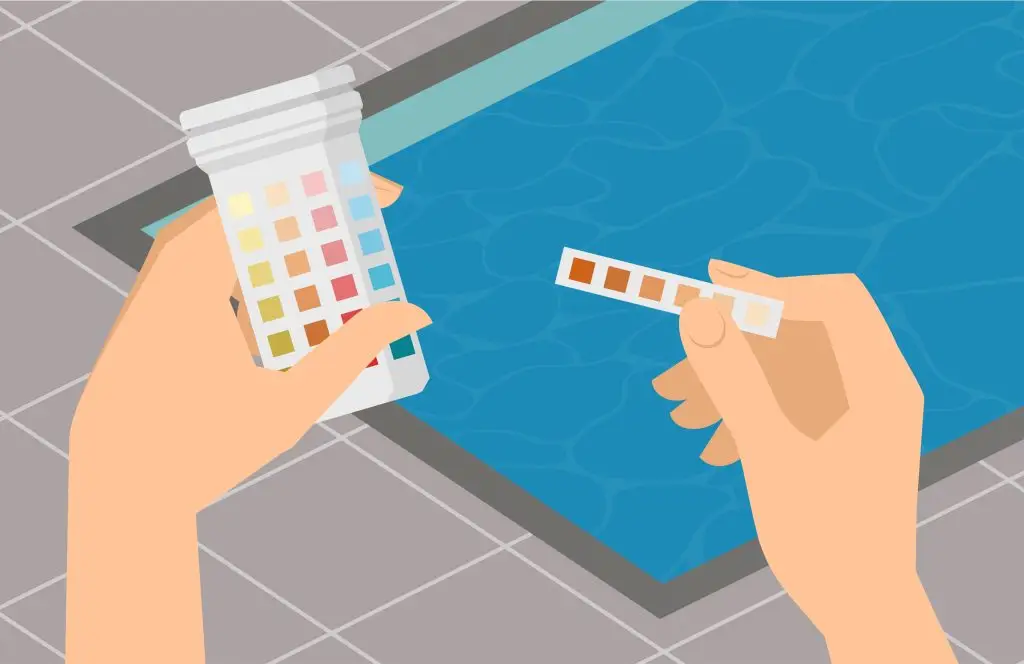
4. Test and Balance Chemistry
After shocking, check your levels:
- pH should return to 7.4–7.6
- Free chlorine: 1–3 ppm
- Total alkalinity: 80–120 ppm
If chlorine remains elevated beyond 5 ppm after 48 hours, reduce it naturally by adding sunlight exposure or chlorine neutralizer.
5. Use the Right Shock Type
Choose based on your pool’s surface and system:
- Calcium Hypochlorite (Cal-Hypo): Powerful, but increases calcium hardness — use sparingly on older plaster.
- Sodium Dichlor: Less harsh, dissolves quickly — good for aggregate finishes.
- Non-Chlorine Shock (Potassium Monopersulfate): Great for frequent use — won’t harm plaster or change chlorine levels drastically.
Tip: For saltwater pools, use non-chlorine shock to reduce surface wear.
6. Avoid Shocking Midday
UV rays from Florida’s intense sun can burn off chlorine quickly, causing owners to add more than needed. Shock in the evening, when temperatures drop, for best absorption.
How Shock Frequency Impacts Surface Lifespan
In normal conditions, quality plaster lasts 10–15 years before resurfacing is needed. But in over-shocked pools, surface wear can appear in as little as 5–7 years.
Over time, chlorine imbalance creates porous plaster, which traps metals and stains easily. Once plaster loses its smooth finish, it becomes more vulnerable to:
- Algae attachment
- Calcium scaling
- Discoloration
That’s why balancing shock strength and timing is crucial to long-term integrity.
Real Example: Punta Gorda
A homeowner in Punta Gorda Isles noticed their once-white plaster turning patchy within two years. The cause? Weekly shocks using undissolved Cal-Hypo directly poured in the deep end.
After consulting Florida Detail, they switched to monthly non-chlorine shock, improved brushing habits, and restored chemical balance. Within one season, staining stopped and surface smoothness returned.
Professional Maintenance Advantage
A certified pool service in Charlotte County can help track your chlorine demand, weather patterns, and bather load — ensuring you shock only when needed.
Visit our Services page for water testing, chemical balancing, and surface care.
For personalized advice or inspections, contact us directly at FloridaDetail.com/contact.
We also recommend these helpful local resources:
- PortCharlottePoolService.com
- NorthPortPoolServices.com
- UnlimitedManiac.com — a trusted marketing and local business insight partner.
Key Takeaways
- Shock only when needed, not weekly.
- Always dissolve, brush, and circulate after adding shock.
- Maintain balanced pH and calcium hardness to protect plaster.
- Consider non-chlorine options for frequent treatment.
- Partner with a local pool expert for ongoing chemical management.
Proper shock frequency ensures your pool stays safe, clear, and structurally sound for years to come — without sacrificing surface quality.
👉 Visit https://FloridaDetail.com to connect with local pool professionals serving Port Charlotte, North Port, Punta Gorda, and Rotonda West today.


