Saltwater pools are popular across Florida’s Gulf Coast for their silky-smooth water and lower chlorine odor. Many homeowners in Rotonda West, Punta Gorda, and Port Charlotte have made the switch to chlorine generators (salt systems) to simplify sanitation and reduce harsh chemical use.
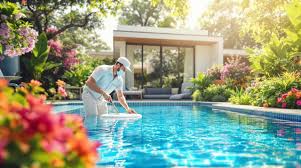
However, coastal environments bring a hidden challenge: corrosion. When combined with humid salt air, Florida rains, and frequent water splash-outs, salt systems can accelerate wear on pool fixtures, decks, and nearby metal components — especially for homes along canals and waterfronts.
This guide explains why corrosion occurs, what pool owners can do to protect their investment, and how local professionals help extend the life of salt-based systems.
Understanding How Salt Systems Work
A salt chlorine generator (SCG) converts dissolved salt into chlorine through electrolysis. This provides a continuous source of sanitizer without manual chlorine additions.
Here’s how it works:
- You add pool-grade salt to your water.
- The generator cell splits the salt molecules into chlorine and sodium.
- The chlorine sanitizes the water, and the sodium recombines — creating a repeating cycle.
It’s efficient, eco-friendly, and cost-effective in the long term.
💡 According to FloridaDetail.com, over 60% of new pool installations in Charlotte County now include salt systems.
But while convenient, saltwater is still corrosive, especially when combined with Florida’s warm, moist air and nearby saltwater environments.
Why Waterfront Locations Are More Vulnerable
Pools built near coastal canals, bays, or estuaries — like those in Punta Gorda Isles or Rotonda West — face double exposure to salt and humidity.
Factors that accelerate corrosion include:
- Salt spray and humidity from nearby water
- Frequent storms that push oceanic salt inland
- Evaporation leaving salt crystals on metal surfaces
- High temperatures speeding up chemical reactions
When salt from your pool and the environment combine, the corrosion process intensifies — particularly around metal rails, heaters, and light fixtures.
Common Pool Parts Affected by Salt Corrosion
Salt corrosion doesn’t happen overnight — but over time, certain components start showing visible wear.
1. Heaters and Heat Exchangers
Metal heat exchangers (especially copper or aluminum) can corrode when exposed to salt-chlorinated water, reducing heater efficiency.
Solution: Choose heaters with titanium or cupro-nickel exchangers, or have them inspected regularly.
2. Handrails, Ladders, and Fittings
Stainless steel is durable, but salt exposure causes pitting and rust spots, particularly where water splashes and dries.
Solution: Apply a protective anti-corrosion coating and rinse rails weekly.
3. Lighting Fixtures
Saltwater and humidity may corrode light gaskets and electrical connections over time.
Solution: Use sealed LED fixtures designed for saltwater pools.
4. Deck Equipment and Furniture
Metal furniture, anchors, and screen enclosure frames near saltwater pools often oxidize.
Solution: Use powder-coated aluminum or marine-grade stainless steel.
In Port Charlotte, many waterfront homes with older equipment need early replacements due to salt damage — a preventable cost with regular maintenance.
Signs Your Pool Equipment Is Corroding
Watch for these early warning signs:
- Rust or brown stains around rail bases
- Cloudy or greenish water despite balanced chemistry
- Discolored metal fittings or heater stains
- Flaking or peeling paint on nearby surfaces
- Frequent leaks or pressure drops in plumbing lines
When in doubt, contact a professional from FloridaDetail.com/services for a corrosion inspection — especially before hurricane season.
How Salt Levels Affect Corrosion
The ideal salt concentration for most generators is 2,700–3,400 ppm (parts per million).
Too high a concentration can:
- Increase electrical conductivity (speeding corrosion)
- Damage seals, gaskets, and pumps
- Shorten equipment lifespan
Too low, and the generator won’t produce enough chlorine — leading to algae growth.
Regular testing is crucial. Many North Port homeowners use digital salinity meters to avoid over-salting, a common issue during summer refill cycles.
Best Materials for Salt System Pools
To minimize corrosion risk, use salt-friendly materials throughout your pool setup:
- Plastic or PVC plumbing for return lines
- Resin-coated fittings and hardware
- Titanium heater cores
- Marine-grade stainless steel (316) handrails
- Composite decking rather than metal supports
In Rotonda West, newer pool builds often use composite hardware and sealed junction boxes to ensure long-term durability in waterfront humidity.
Routine Maintenance to Prevent Corrosion
Corrosion prevention is more about consistency than complexity. Follow these steps monthly:
- Rinse metal surfaces with fresh water after each use.
- Inspect salt cell for scaling or deposits.
- Test salinity and pH levels weekly.
- Clean heat exchangers annually.
- Lubricate o-rings with silicone to prevent cracking.
- Apply corrosion inhibitors to exposed metal.
PortCharlottePoolServices.com recommends a biannual equipment audit for homes within 1 mile of the waterfront.
Salt Cell Cleaning Tips
The salt cell is the heart of your system — and also prone to buildup.
- Always turn off power before removing it.
- Soak in a mild acid solution (1 part muriatic acid to 4 parts water).
- Rinse thoroughly before reinstalling.
- Never scrape with metal tools — it scratches the plating.
Over-cleaning can shorten cell life, so only clean when visible scaling appears or flow sensors trigger alerts.
Combining Salt Systems with Corrosion Prevention Tech
Modern pool systems now include:
- Sacrificial anodes (zinc rods) that corrode instead of vital parts
- Inline corrosion inhibitors added to water
- Automation systems that monitor salinity and pH remotely
Explore options for smart pool management at UnlimitedManiac.com.
Alternatives for High-Corrosion Areas
If your pool sits directly on the Punta Gorda waterfront or near Charlotte Harbor, you may want to consider alternatives:
- Ozone systems (reduce chlorine need)
- UV sanitizers (work alongside low-chlorine systems)
- Mineral purifiers (gentle on equipment)
These reduce dependency on salt while maintaining water clarity.
Many Rotonda homeowners are switching to hybrid salt + UV systems for better balance and longer equipment life.
Cost of Corrosion Repairs
| Component | Average Replacement Cost | Lifespan (Salt Pool) | Lifespan (Chlorine Pool) |
|---|---|---|---|
| Heater | $1,500–$3,000 | 5–7 years | 8–10 years |
| Handrails | $150–$400 | 4–6 years | 8–10 years |
| Lights | $200–$600 | 5 years | 8 years |
| Pump Seal | $100–$250 | 3–4 years | 5–6 years |
Preventive maintenance from FloridaDetail.com can extend part lifespan by 30–40%, saving hundreds annually.
Conclusion
Salt systems make pool ownership more convenient, but coastal Florida’s humid, salty air adds unique challenges. In Rotonda West, Punta Gorda, and Port Charlotte, preventing corrosion is about balance — choosing the right materials, monitoring salt levels, and scheduling regular inspections.
With the right care, your salt system can last for years without damaging surrounding equipment.
👉 Visit https://FloridaDetail.com to book professional salt system maintenance and corrosion prevention services across Charlotte County today.


