Florida’s subtropical climate is paradise for pool owners, but it’s also a perfect breeding ground for algae. In Port Charlotte, Punta Gorda, North Port, Rotonda, and across Charlotte County, homeowners often wonder why algae shows up faster in one pool than another. A common debate is whether screened pools or open pools see algae growth more quickly.
This article breaks down the science, the environmental factors, and what you can do to protect your swimming pool year-round.
Why Florida Pools Are Algae-Prone
Pools in Southwest Florida deal with unique challenges:
- Intense sunlight that speeds up algae photosynthesis.
- Heavy rainfall that dilutes chlorine levels.
- Hurricane season debris that introduces organic contaminants.
- High seasonal use during snowbird months, increasing strain on water chemistry.
In other words, whether your pool is screened or open, algae has everything it needs here in Charlotte County to thrive.
Screened Pools vs Open Pools: What’s the Difference?
Screened Pools
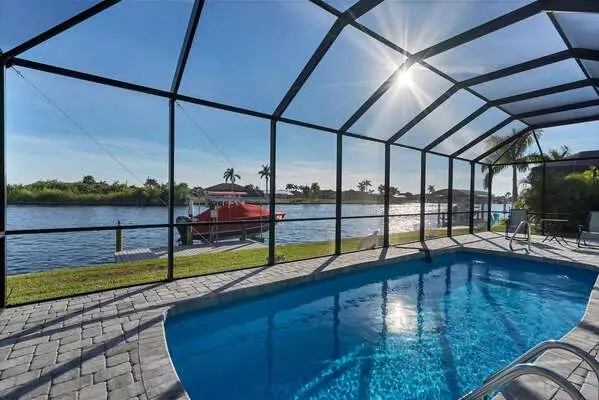
- Designed with mesh enclosures that block debris, insects, and wildlife.
- Reduce direct UV exposure slightly but still allow sunlight to filter through.
- Trap humidity, which can create a greenhouse effect for algae growth.
Open Pools
- Fully exposed to Florida’s weather, sun, and environment.
- Easier to ventilate, but more vulnerable to debris and falling leaves.
- Rely heavily on chemical balance to fight algae exposure from natural elements.
Does Algae Really Grow Faster in Screened Pools?
The surprising answer is often yes. Here’s why:
- Reduced Airflow
- Screened enclosures trap moisture and humidity, creating an algae-friendly microclimate.
- Filtered Sunlight
- While screens block some UV rays, enough light passes through to fuel algae photosynthesis.
- Stable Temperatures
- Screened pools often maintain slightly warmer, more consistent water temps—ideal for algae reproduction.
Why Open Pools May Still Struggle
Open pools, though breezier, deal with:
- Direct sun that burns off chlorine faster.
- Organic material (leaves, insects, pollen) fueling algae blooms.
- Rainwater washing contaminants straight into the pool.
So while screened pools may see faster algae formation, open pools face more frequent chemical battles.
Real-Life Examples from Charlotte County
- In Port Charlotte, screened lanai pools often get stubborn green algae blooms after long humid weeks.
- In North Port, open backyard pools clog up with oak leaves in summer, introducing phosphates (algae food).
- In Punta Gorda and Rotonda, seasonal residents return to find screened pools with heavy algae because circulation pumps were left off.
Steps to Prevent Algae in Any Pool
1. Maintain Proper Chlorine Levels
- Keep chlorine between 1–3 ppm.
- Shock weekly during summer storms.
2. Brush & Vacuum Regularly
- Brushing walls prevents algae from sticking.
- Vacuum debris before it decomposes.
3. Watch Phosphate Levels
- Fertilizers, leaves, and pollen raise phosphates.
- Use phosphate removers if levels are high.
4. Improve Circulation
- Run the pump at least 8 hours daily in hot weather.
- Clean filters weekly to avoid blockages.
5. Call a Local Professional
If algae blooms keep returning, schedule professional pool cleaning in Charlotte County to diagnose and treat deeper water balance issues.
The Snowbird Factor
Seasonal residents often underestimate how fast algae grows while they’re away. Leaving screened pools stagnant in Port Charlotte or Rotonda for even a month can lead to:
- Black algae stains on plaster.
- Mustard algae patches along shady walls.
- Slimy green film that takes weeks to clean.
Pro Tip: Hire a Florida Detail trusted pool service to maintain water care while you’re out of town.
When to Call in a Professional
You should reach out to a local pool technician if:
- Your chlorine levels drop within 24 hours.
- The water stays cloudy even after shocking.
- Black or mustard algae appears (these are very resistant).
👉 Check the Services page to see how expert technicians in Charlotte County can restore crystal-clear water quickly.
External Resources & Backlinks
- PortCharlottePoolService.com – trusted local experts.
- PoolCleaningInPortCharlotte.Com – pool cleaning insights.
- UnlimitedManiac.com – learn more about local SEO & digital marketing for pool businesses.
Conclusion
Whether you have a screened lanai pool in Punta Gorda or an open backyard pool in North Port, algae is always a challenge in Charlotte County. Screened pools may trap humidity that accelerates algae growth, while open pools struggle with debris and chlorine burn-off.
The key is consistent maintenance and knowing when to call in experts. Don’t let algae take over your pool—partner with a trusted Florida Detail provider and keep your water swim-ready all year long.


