
Introduction
Owning a pool in sunny Southwest Florida isn’t just about luxury—it’s a lifestyle. But for homeowners in Port Charlotte, Punta Gorda, North Port, Rotonda, and across Charlotte County, the real question is: how do you keep your pool at the perfect temperature year-round?
The debate often comes down to two main options: heat pumps and gas heaters. Both have unique advantages, but which one truly fits the needs of a waterfront property owner?
Let’s dive into the details so you can make the best decision for your Florida home.
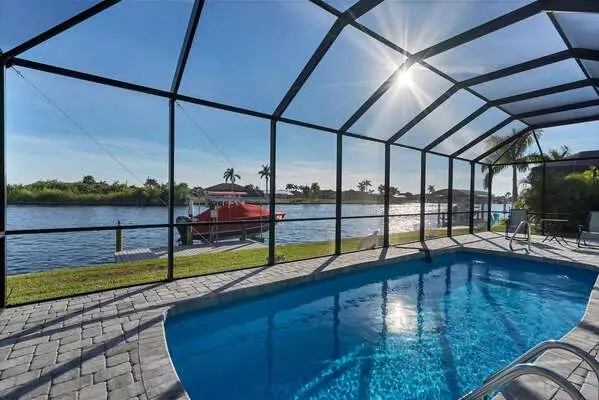
How Pool Heating Works in Florida’s Climate
Florida’s climate offers warm summers but cooler winter evenings, especially from November through March. For seasonal snowbirds and full-time residents alike, having a heating system ensures year-round swimming comfort.
- Heat Pumps: Use electricity and the outside air to warm your pool water.
- Gas Heaters: Use propane or natural gas to quickly heat the pool.
Each system has pros and cons depending on lifestyle, location, and budget.
Heat Pumps: The Energy-Efficient Choice
How They Work
A heat pump pulls warmth from the air, compresses it, and transfers it to your pool water. This makes them efficient in mild to warm climates like Charlotte County.
Pros of Heat Pumps
- Energy-efficient: Lower operating costs long-term.
- Environmentally friendly: Uses less fossil fuel.
- Durable: Often lasts longer than gas heaters.
- Great for regular use: Ideal for daily swimmers.
Cons of Heat Pumps
- Slower heating: Takes longer to warm a cold pool.
- Weather dependent: Efficiency drops during colder snaps.
- Higher upfront cost: More expensive than gas heaters to install.
Gas Heaters: The Fast-Heating Option
How They Work
Gas heaters burn propane or natural gas to heat your pool quickly, regardless of outdoor temperatures.
Pros of Gas Heaters
- Quick heating: Perfect for weekend or occasional use.
- Works in any weather: Reliable even on chilly mornings.
- Lower initial cost: More affordable to purchase.
Cons of Gas Heaters
- Higher fuel costs: Gas prices fluctuate and can add up.
- Shorter lifespan: Typically don’t last as long as heat pumps.
- Not eco-friendly: Larger carbon footprint.
Which is Better for Waterfront Homes?
Heat Pump Fits Best If…
- You live full-time in Port Charlotte, Punta Gorda, or North Port.
- You want steady, low-cost heating all season.
- You swim almost daily.
Gas Heater Fits Best If…
- You’re a seasonal visitor or snowbird in Rotonda or Charlotte County.
- You swim only on weekends or special occasions.
- You want quick heat before family gatherings.
💡 Pro Tip: Many homeowners actually combine both systems—using a heat pump for regular maintenance and a gas heater for fast boosts.
Real-Life Florida Example
One Punta Gorda family invested in a heat pump because their kids swim every afternoon after school. They reported consistent temperatures and lower utility bills.
Meanwhile, a seasonal couple from North Port chose a gas heater. Since they only visit in the winter for two months, quick heating made more sense for their lifestyle.
Costs to Consider
1. Installation
- Heat Pump: $4,000–$7,500
- Gas Heater: $2,000–$4,500
2. Operating Costs (Monthly Average in Florida)
- Heat Pump: $100–$200
- Gas Heater: $200–$400+ (depending on gas prices)
3. Maintenance
- Heat Pumps: Require occasional coil cleaning and servicing.
- Gas Heaters: Need more frequent checks due to fuel systems.
Common Questions Waterfront Homeowners Ask
Q: Will storms damage my pool heater?
- Heat pumps are more resilient but should always be covered during a hurricane.
Q: Do algae grow faster in heated pools?
- Warmer water can encourage algae, but regular pool cleaning in Charlotte County prevents this.
Q: Can I run solar with a heater?
- Yes! Many homes in Port Charlotte pair solar with a heat pump for maximum efficiency.
Helpful Comparison at a Glance
| Feature | Heat Pump | Gas Heater |
|---|---|---|
| Speed | Slow | Fast |
| Cost to Operate | Low | High |
| Lifespan | Long | Short |
| Eco-Friendly | ✅ Yes | ❌ No |
| Best For | Daily swimmers | Occasional use |
Final Thoughts: Which Should You Buy?
If you live year-round in Charlotte County and use your pool often, a heat pump is the smarter, eco-friendly investment. If you’re a snowbird or want quick heating before a big family gathering, a gas heater may suit you better.
Ultimately, both can work wonderfully for waterfront homes—but your lifestyle and swimming habits will determine the right fit.
Call-to-Action
Ready to keep your pool comfortable all year long? Explore local professionals in our directory at Florida Detail.
👉 Check out our services page for expert help, or contact a Port Charlotte pool service for on-site support.
For SEO & marketing insights, visit UnlimitedManiac.com.


