Owning a pool in Florida is a dream for many families, especially in areas like Port Charlotte, Punta Gorda, North Port, Rotonda, and across Charlotte County. But with the intense sun, tropical storms, and heavy pool usage during tourist and snowbird seasons, leaks are a frequent issue homeowners face.
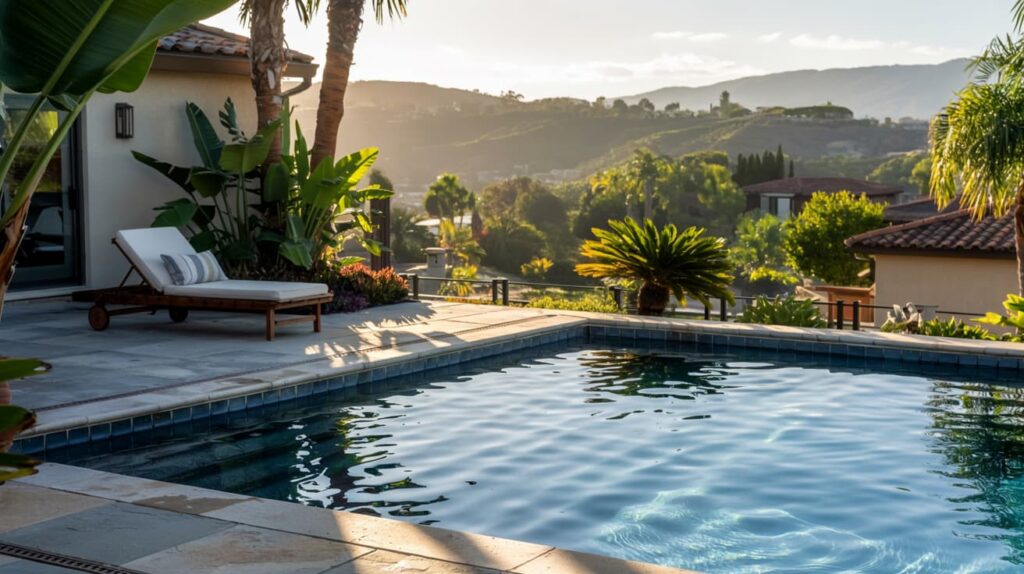
A leaking pool is more than an inconvenience — it can waste thousands of gallons of water, raise utility bills, and damage surrounding decks or landscaping. In this guide, we’ll break down the most common pool leaks in Florida and practical steps you can take to identify them before they become costly repairs.
Why Pool Leaks Happen So Often in Florida
Florida’s climate makes pools especially vulnerable to wear and tear. Factors include:
- Intense UV exposure – breaks down liners, tiles, and seals faster.
- Hurricanes & tropical storms – high winds and debris can crack structures.
- High water tables in Charlotte County – can push up against pool shells.
- Frequent usage during holidays & snowbird season – more stress on plumbing and filtration systems.
These conditions mean that pool owners in Port Charlotte or Punta Gorda are more likely to face leaks compared to other regions of the country.
The Most Common Types of Pool Leaks
1. Skimmer Leaks
Skimmers often develop cracks where the plastic housing meets the pool’s concrete shell. In Florida’s heat, expansion and contraction speed up this process.
Signs of a skimmer leak:
- Air bubbles in the pump basket
- Wet spots around the deck near the skimmer
- Fast water loss when the pump is running
2. Plumbing Leaks
PVC pipes beneath the deck or yard are vulnerable to shifting soils, especially after heavy rains in Charlotte County.
How to spot plumbing leaks:
- Pool loses water even when the pump is off.
- Soggy ground or constant wet spots in the lawn.
- Pressure testing confirms underground leaks.
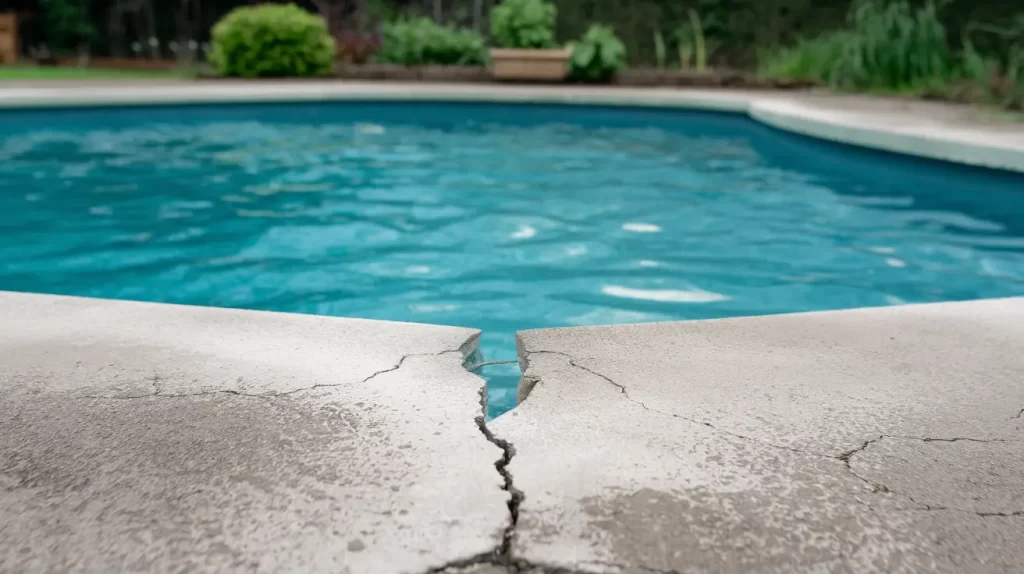
3. Structural Cracks
Concrete pools in Rotonda or North Port sometimes develop cracks from soil movement or storm damage.
- Hairline cracks may seem minor but still leak steadily.
- Visible gaps around tiles, lights, or return fittings are red flags.
4. Equipment Leaks
Leaks also come from pumps, filters, and heaters. Worn gaskets or seals are common culprits.
Quick check: Look for puddles under the pool pump or filter.
5. Evaporation vs. Real Leaks
Florida’s sun causes extreme evaporation. But how do you know if it’s just the heat?
👉 Try the bucket test:
- Fill a bucket with pool water and place it on a pool step.
- Mark the water level in the bucket and the pool.
- After 24 hours, compare both levels. If the pool water dropped more, you likely have a leak.
Local Examples of Leak Scenarios
- After Hurricane Ian, several homeowners in Punta Gorda reported cracks around their skimmers caused by flying debris.
- A family in North Port noticed unusually high water bills. Turns out, an underground plumbing line was leaking thousands of gallons weekly.
- In Rotonda, shifting soil after heavy summer rains caused a hairline crack in the pool shell that slowly drained water.
These real-world cases show why leak detection is so vital for Charlotte County residents.
DIY Ways to Check for Pool Leaks
If you suspect a leak, here are some safe steps before calling in the pros:
- Perform the bucket test.
- Inspect around the skimmer box.
- Check the pump and filter area for dampness.
- Look for wet patches in the lawn or around the deck.
- Use a food coloring test near suspected cracks (the dye will get pulled into the leak).
When to Call a Professional
Sometimes DIY checks aren’t enough. Professional leak detection companies in Charlotte County use:
- Pressure testing for underground pipes
- Electronic listening devices to locate leaks
- Underwater dye testing for cracks
Local experts can save time, water, and money by pinpointing the issue quickly.
For reliable help, check out Florida Detail — the local pool services directory where you can connect with trusted professionals in Port Charlotte, Punta Gorda, North Port, and Rotonda.
Preventing Future Leaks
Prevention is always better than repair. Here’s how to protect your pool investment:
- Schedule regular inspections of skimmers, fittings, and pumps.
- Keep water chemistry balanced to prevent corrosion.
- Seal expansion joints annually.
- Trim nearby trees to keep roots from damaging pipes.
- Use a solar cover to reduce evaporation in peak summer.
Helpful Local Resources
- Port Charlotte Pool Service – local maintenance & cleaning.
- North Port Pool Services – serving Sarasota & Charlotte County areas.
- Pool Cleaning in Port Charlotte – trusted cleaning professionals.
- Unlimited Maniac – marketing and SEO tips for Florida businesses.
For more on professional services, visit:
Final Thoughts
Pool leaks are one of the most common — and most frustrating — issues for Florida homeowners. From skimmer cracks in Port Charlotte to underground pipe problems in North Port, leaks can waste water and cause serious property damage if ignored.
By learning the warning signs, testing your pool regularly, and knowing when to call an expert, you can save time, money, and headaches.
👉 Ready to fix or prevent a pool leak? Explore Florida Detail today to connect with top-rated pool professionals in Charlotte County, Punta Gorda, Rotonda, and beyond.
Your pool is an investment — protect it with regular inspections and trusted local service.


