Maintaining crystal-clear, safe pool water is a priority for homeowners in Charlotte County. Whether you live in Port Charlotte, Punta Gorda, North Port, or Rotonda West, consistent chemical balance is essential to prevent algae, staining, and equipment damage.
Two primary approaches dominate pool sanitation: automatic chemical feeders and manual dosing. Each method has advantages and trade-offs. This guide breaks down the pros, cons, and ideal use cases to help you choose the best approach for your pool.
Understanding Chemical Dosing
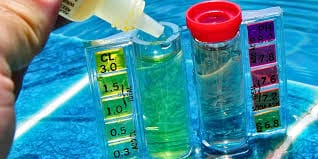
Before diving into the comparison, it’s important to understand what chemical dosing entails.
- Chlorine and bromine are the most common sanitizers.
- pH balancers, alkalinity increasers, and stabilizers ensure water stays safe and comfortable.
- Shock treatments eliminate contaminants and prevent algae blooms.
In Florida’s climate, sun, rain, and high evaporation rates make regular dosing critical. Pools in Punta Gorda and Port Charlotte are especially vulnerable during summer storms or extended hot periods.
Manual Dosing: What It Involves
Manual dosing is the traditional approach where pool owners or technicians add chemicals by hand.
How It Works
- Measure chemicals based on pool volume and test results.
- Add chemicals directly to water or skimmer.
- Monitor and adjust levels daily or weekly, depending on pool usage.
Pros of Manual Dosing
- Control: Tailor chemicals to exact pool conditions.
- Lower upfront cost: No need for feeders or automation systems.
- Flexibility: Easy to adjust based on weather, rainfall, or swimmer load.
Cons of Manual Dosing
- Time-consuming: Requires frequent monitoring and testing.
- Human error risk: Over- or under-dosing can cause algae growth or equipment damage.
- Inconsistent results: Missed days or fluctuating chemical levels may compromise water quality.
In North Port, many DIY pool owners prefer manual dosing during the winter when pools are used less frequently.
Automatic Chemical Feeders: How They Work
A chemical feeder (or chlorinator) is a device that automatically dispenses sanitizer into your pool at a controlled rate.
Types of Feeders
- Tablet Feeders – Slowly dissolve chlorine tablets over time.
- Liquid Feeders – Pump liquid chlorine continuously or on a schedule.
- Salt Chlorine Generators – Convert dissolved salt into chlorine automatically.
Pros of Automatic Feeders
- Consistency: Maintains stable chlorine or bromine levels.
- Convenience: Reduces daily monitoring and manual labor.
- Efficiency: Often prevents chemical spikes or drops that harm pool surfaces.
- Integration: Many modern feeders work with automation systems.
Cons of Automatic Feeders
- Higher upfront cost: Installation and equipment can be expensive.
- Maintenance: Feeders need regular cleaning, calibration, and monitoring.
- Not fully hands-off: Water chemistry still requires testing, especially pH and alkalinity.
Waterfront homes in Rotonda West often use automatic feeders to manage chemical levels year-round, especially during vacation absences.
Comparing Manual Dosing vs Chemical Feeders
| Feature | Manual Dosing | Chemical Feeder |
|---|---|---|
| Upfront Cost | Low | Medium–High |
| Labor Requirement | High | Low |
| Precision | Dependent on user | High consistency |
| Flexibility | High | Moderate |
| Best For | Small pools, infrequent use | Large pools, high usage, absentee owners |
| Maintenance | Daily testing | Periodic cleaning & calibration |
Many Port Charlotte pool owners combine both approaches: an automatic feeder for chlorine and manual adjustments for pH or shock treatments.
Factors to Consider When Choosing
- Pool Size and Features
- Large pools or those with waterfalls, spas, or fountains benefit from automatic feeders.
- Homeowner Availability
- Busy schedules or seasonal homes in Charlotte County favor automatic systems.
- Water Source and Chemistry
- Hard water or well water may require more manual intervention.
- Budget
- Initial cost vs long-term convenience and labor savings.
- Local Climate
- In Florida, frequent sun, rain, and storms can alter chemical needs rapidly. A hybrid approach often works best.
Best Practices for Both Methods
Regardless of the method you choose, these steps help maintain optimal water balance:
- Test water regularly: pH, chlorine/bromine, alkalinity, calcium hardness, and stabilizer levels.
- Shock weekly: Even automatic feeders can’t prevent all algae or contaminants.
- Clean filters and skimmers: Maintain proper circulation to maximize chemical effectiveness.
- Adjust for weather events: Heavy rain or hurricanes in Punta Gorda can dilute chemicals.
Learn more about professional chemical management at FloridaDetail.com/services.
Hybrid Approach: The Best of Both Worlds
Many Charlotte County homeowners benefit from a hybrid system:
- Automatic feeder for daily sanitizer (chlorine or bromine)
- Manual dosing for pH, alkalinity, and shock treatments
This approach combines convenience, precision, and flexibility, ensuring pools remain safe even during Florida’s unpredictable summer storms.
Professional Advice
A licensed pool professional can:
- Recommend the right type of feeder or dosing schedule
- Ensure proper installation and calibration
- Monitor water quality to prevent algae, scaling, or staining
- Provide seasonal adjustments, particularly in high UV and humidity areas like North Port and Rotonda West
For expert chemical management, schedule a consultation at https://FloridaDetail.com/contact.
Real-Life Florida Example
“We switched to an automatic chlorine feeder in our Punta Gorda pool while manually testing pH weekly. Florida Detail set everything up and trained us on adjustments. Our pool has never been this low-maintenance!”
— The Ramirez Family, Punta Gorda
Conclusion
Choosing between manual dosing and an automatic chemical feeder depends on pool size, homeowner availability, local water conditions, and budget.
- Manual dosing offers control and flexibility but requires more attention.
- Automatic feeders provide convenience and consistency but require maintenance and upfront investment.
- Hybrid systems often provide the ideal balance, especially for busy Florida homeowners in Port Charlotte, Punta Gorda, North Port, or Rotonda West.
No matter which approach you choose, maintaining proper chemical balance is essential for safety, equipment longevity, and water clarity.
👉 Explore https://FloridaDetail.com to schedule a professional pool chemical consultation and ensure your Charlotte County pool stays perfectly balanced year-round.


