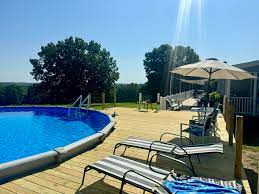
A crystal-clear pool is every Florida homeowner’s dream — until you notice rust creeping up your patio chairs. In Port Charlotte, Punta Gorda, North Port, Rotonda, and across Charlotte County, many pool owners are surprised to learn that pool chemicals can corrode nearby metal furniture if not managed carefully.
Even though chlorine and other sanitizers are essential for keeping your water safe, the chemical vapors and splashes that escape your pool can slowly wear down metal surfaces — especially in Florida’s hot, humid air.
At Florida Detail, we often get questions from local homeowners asking: “Why is my outdoor furniture rusting even though it’s not inside the pool?” The answer lies in basic chemistry — and a few easy-to-prevent habits.
How Pool Chemicals Affect Metal Surfaces
1. Chlorine Vapor and Airborne Drift
When pool water evaporates, chlorine gas and mist can linger in the surrounding area.
- These vapors settle on nearby furniture, particularly aluminum, steel, and iron pieces.
- Over time, the residue reacts with humidity to form rust or white oxidation spots.
Even if you’re using minimal chlorine, high sunlight and wind in coastal cities like Punta Gorda can spread these particles further than you think.
2. Splash Damage During Pool Use
During pool parties or regular cleaning, splash-out water often lands on patio tables or metal frames.
If that water isn’t rinsed off right away, it leaves behind chlorides — compounds that accelerate corrosion.
3. Pool Shock and Overdosing
Adding too much shock treatment or letting the wind blow granules across your deck can result in surface etching.
- Powdered shock can even bleach painted metal or fabrics if left overnight.
That’s why pool cleaning in Charlotte County should always be handled with precise dosing and careful timing.
Signs Your Metal Furniture Is Being Damaged by Pool Chemicals
Keep an eye out for these telltale symptoms:
- Rust spots appearing near welds or joints
- Pitting corrosion (small, uneven holes on the surface)
- Paint discoloration or peeling
- White chalky residue forming on aluminum frames
- Loose or brittle screws due to oxidation
If you’ve noticed any of these near your pool deck, it’s time to take preventive measures before replacement becomes necessary.
How to Prevent Corrosion Around Your Pool Area
1. Maintain Proper Chemical Balance
This is your first line of defense.
Keep pool chemistry within these ranges:
- pH: 7.2–7.6
- Total Alkalinity: 80–120 ppm
- Chlorine: 1–3 ppm
Unbalanced water produces more corrosive gases. A local technician from PortCharlottePoolServices.com can test and adjust these levels weekly.
2. Create Distance Between Pool and Furniture
Whenever possible, keep metal furniture at least 5–6 feet from the waterline.
If space is limited (like in many Rotonda backyards), use a small retaining wall or glass partition as a barrier.
3. Rinse and Dry After Pool Use
After swimming or cleaning, quickly spray off any furniture that might have caught pool water.
This single habit can reduce rust formation by up to 80%.
4. Apply Protective Coatings
Use a clear polyurethane sealant or wax polish on exposed metal parts.
For aluminum, consider a powder-coated finish, which resists chemical corrosion better than paint.
5. Opt for Chemical-Resistant Materials
If you’re shopping for new outdoor furniture, choose:
- Powder-coated aluminum
- Stainless steel (Grade 304 or higher)
- Resin wicker or recycled plastic
Local stores in North Port and Port Charlotte offer weather-resistant options ideal for poolside environments.
Real-Life Example from Charlotte County
One homeowner in North Port noticed rust forming on her metal barstools just two months after installing a saltwater pool.
After testing, the culprit turned out to be chloride-rich mist from her pool’s salt system and weekly shock routine.
With a few adjustments — including installing a windbreak fence and lowering chlorine output — the corrosion stopped completely.
These small tweaks can save hundreds of dollars in furniture replacements over time.
Environmental Factors That Make Corrosion Worse
Florida’s tropical climate intensifies chemical corrosion.
Here’s why:
- High humidity: Keeps surfaces wet longer, accelerating rust.
- Sea breeze: Carries salt particles inland to places like Punta Gorda.
- Intense UV radiation: Breaks down paint and protective coatings faster.
Combining chlorine vapors with salty air can be especially harmful — a double hit to your patio setup.
For long-term protection, schedule regular cleanings through Florida Detail or consult local experts via UnlimitedManiac.com for home and pool care strategies customized for Charlotte County’s environment.
DIY Tip: Quick Neutralizing Spray for Poolside Metals
Mix this solution to neutralize chlorine residue naturally:
- 1 cup of white vinegar
- 2 cups of warm water
- A few drops of dish soap
Wipe metal surfaces weekly, then dry with a microfiber towel. It’s safe, affordable, and effective — no harsh chemicals required.
When to Call a Professional
If you’re noticing persistent rust or unusual discoloration, a local pool technician can:
- Test for excessive chlorine vapors
- Inspect for leaks causing splash zones
- Suggest furniture relocation or chemical adjustments
You can easily find trusted providers through Florida Detail or nearby specialists listed at PoolCleaningInPortCharlotte.com and NorthPortPoolCompany.com.
Conclusion: Keep Your Pool Sparkling and Furniture Shining
Your pool and patio should complement each other — not compete. By managing your pool’s chemistry and taking small preventive steps, you can enjoy crystal-clear water and corrosion-free furniture all year round.
For professional advice and reliable pool maintenance in Port Charlotte, Punta Gorda, North Port, Rotonda, and throughout Charlotte County, visit Florida Detail.
👉 Explore trusted local listings today and protect your outdoor oasis with help from Florida’s best pool experts.


