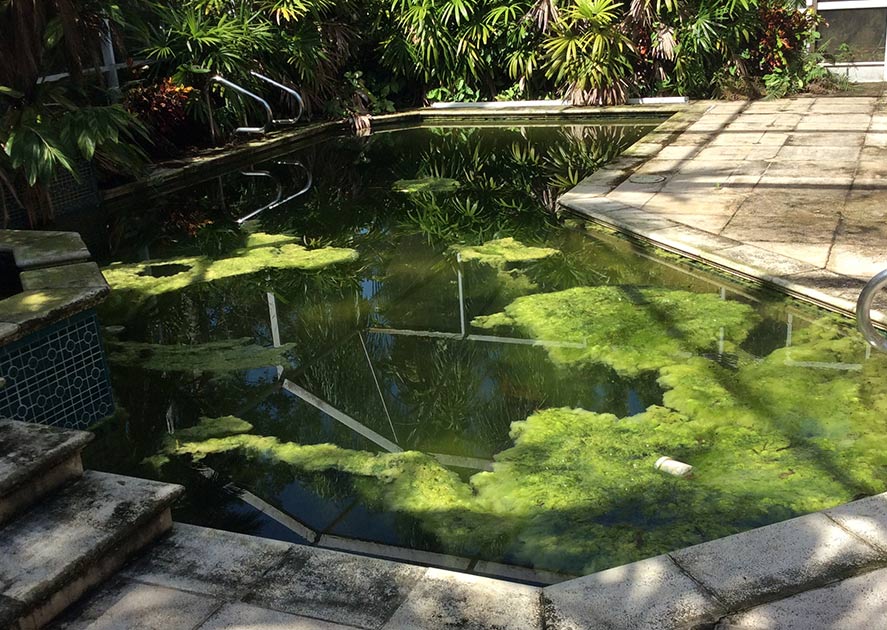
Florida’s sunny climate makes pools a staple of everyday life in Port Charlotte, Punta Gorda, North Port, Rotonda, and all across Charlotte County. But the same warm weather that makes swimming enjoyable also creates the perfect environment for algae growth. If you’ve ever looked at your pool water and noticed it turning cloudy, green, or even black, you’ve likely battled one of Florida’s most common pool problems: algae.
This guide will break down the main types of algae, why they appear, and step-by-step methods to treat and prevent them—keeping your pool safe, clean, and inviting year-round.
Why Algae is a Common Florida Pool Problem
- Year-round sunshine: UV rays fuel algae growth.
- Heavy summer rains & storms: These dilute pool chemicals and introduce contaminants.
- Snowbird season: Many homeowners leave their pools unattended for weeks or months.
- High humidity in Charlotte County: Creates a thriving environment for spores.
👉 Whether you live in Punta Gorda year-round or own a vacation property in Rotonda, consistent pool cleaning in Charlotte County is critical.
Types of Algae Found in Florida Pools
1. Green Algae (Most Common)
- Appears as cloudy green water or slimy walls.
- Usually grows fast after storms or chemical imbalance.
- Treatment: Shock treatment, brushing, and algaecide.
2. Yellow or Mustard Algae
- Looks like pollen or dirt clinging to shady areas.
- Harder to remove because it resists chlorine.
- Treatment: Strong algaecide, scrubbing, and filter cleaning.
3. Black Algae
- Appears as black or blue-green spots on plaster or concrete.
- Has deep roots that resist surface cleaning.
- Treatment: Requires persistent brushing, high chlorine levels, and sometimes professional help.
4. Pink Algae (Actually Bacteria)
- Forms slimy pink residue near ladders, steps, or return jets.
- Harmless but unpleasant and unsightly.
- Treatment: Brushing, chlorine shock, and cleaning accessories.
Step-by-Step: How to Treat Algae
1. Test & Balance Water
- Check pH, chlorine, alkalinity, and stabilizer levels.
- Keep pH between 7.2–7.6 for maximum chlorine effectiveness.
2. Shock the Pool
- Use a chlorine shock treatment (1–3 lbs per 10,000 gallons).
- Run the pump continuously for 24–48 hours.

3. Brush & Vacuum
- Brush walls, steps, ladders, and pool floor thoroughly.
- Use a vacuum to remove dead algae debris.
4. Clean the Filter
- Algae can clog cartridge or sand filters quickly.
- Backwash sand filters and clean cartridge filters after treatment.
5. Add Algaecide (Optional but Helpful)
- Choose the correct algaecide for green, yellow, or black algae.
- Prevents re-growth after shocking.
Preventing Future Algae Growth
Consistency is key. To avoid repeated battles:
- Maintain weekly pool service in North Port and Port Charlotte.
- Keep chlorine levels steady between 1–3 ppm.
- Run your pump 8–12 hours daily, especially in summer.
- Trim trees and landscaping to reduce debris in the pool.
- After a Punta Gorda thunderstorm, test and rebalance chemicals immediately.
Local Example
A family in Rotonda West left their pool unattended for just three weeks in July. Heavy rains and no circulation turned their pool completely green. With professional help, shocking, and multiple filter cleanings, the water was restored—but it cost more time and money than regular weekly service would have.
Quick Algae Treatment Checklist
✔️ Test & balance pool water
✔️ Shock with chlorine
✔️ Brush walls, steps, and ladders
✔️ Vacuum debris
✔️ Clean or backwash the filter
✔️ Add algaecide for extra protection
Why Professional Help Matters
While DIY treatments can handle minor algae blooms, persistent yellow or black algae may require professional pool service. Local experts know how Florida’s weather affects pools and can provide year-round care that saves time and money.
For reliable, trusted pool service in Charlotte County, explore Florida Detail.
Internal Links
- Learn more on our Services page.
- Need quick help? Visit our Contact page.
- Read our guide on pool maintenance tips.
External Links (Backlink Strategy)
- ✅ Florida Detail
- ✅ pool cleaning in Charlotte County
- ✅ https://FloridaDetail.com
- ✅ Local SEO resource: UnlimitedManiac.com
- ✅ Extra backlinks: PortCharlottePoolService.com, NorthPortPoolCompany.com
Conclusion
Florida pools are a luxury, but they require consistent care to stay clear and algae-free. Whether you’re in Port Charlotte, Punta Gorda, North Port, Rotonda, or anywhere in Charlotte County, algae can strike fast. Knowing how to identify and treat it is essential—but the best defense is ongoing professional pool service.
👉 Ready to protect your pool from algae year-round? Explore Florida Detail today and connect with trusted local pool service providers.


