After fertilizing your lawn or garden, runoff and organic debris can increase nutrient levels in your pool, triggering algae growth. Homeowners in Port Charlotte, Punta Gorda, North Port, Rotonda, and Charlotte County need proactive strategies to prevent algae while keeping water safe and clear.
Here are 8 simple ways to reduce algae after yard fertilizing.
1. Monitor Phosphate Levels
- Fertilizers can increase phosphates in pool water, feeding algae.
- Use a test kit to check phosphate levels regularly.
- Consider phosphate removers if readings are elevated.
2. Maintain Optimal Chlorine Levels
- Keep free chlorine at 2–4 ppm to inhibit algae growth.
- Shock the pool if fertilizer runoff has introduced extra nutrients.
- Stabilized chlorine tablets can help maintain consistent levels during sunny Florida days.
3. Brush and Skim Frequently
- Brush walls, floors, and steps to remove any organic debris that may encourage algae.
- Skim floating leaves or grass clippings daily, especially after heavy fertilizing.
Tip: Pools in Port Charlotte and Punta Gorda are more prone to debris from nearby yards.
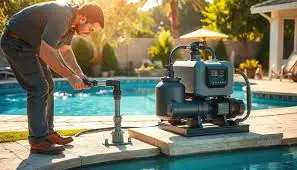
4. Vacuum the Pool
- Vacuuming removes settled debris that may not be captured by skimmers.
- Consider a manual or automatic pool vacuum for consistent cleaning.
- Ensure the filter is cleaned afterward to prevent clogging.
5. Maintain Filter Efficiency
- Backwash or clean sand, cartridge, or DE filters regularly.
- Check for worn media that may allow fine organic particles to recirculate.
- Proper filtration reduces algae-prone nutrients in the water.
6. Use Algaecide Preventively
- Apply a pool-safe algaecide following fertilizing or heavy debris events.
- Target both green and mustard algae types for comprehensive protection.
- Avoid overuse; follow dosage instructions for your pool volume.
7. Balance pH and Alkalinity
- Maintain pH between 7.2–7.6 and alkalinity 80–120 ppm.
- Balanced water improves chlorine efficiency and reduces algae susceptibility.
- Test weekly during Florida’s rainy or high-humidity seasons.
8. Consider a Post-Fertilization Pool Shock
- A chlorine shock treatment oxidizes organic nutrients introduced by fertilizers.
- Helps restore water clarity and removes potential algae food sources.
- Ideal for pools in Rotonda or North Port after heavy fertilizer application.
Final Thoughts
Managing algae after yard fertilizing is about proactive chemical control, debris management, and proper filtration. Regular monitoring and strategic treatments keep Florida pools in Charlotte County safe, clear, and algae-free.
For professional advice and post-fertilization pool care, visit Florida Detail or explore local resources like PortCharlottePoolService.com.


