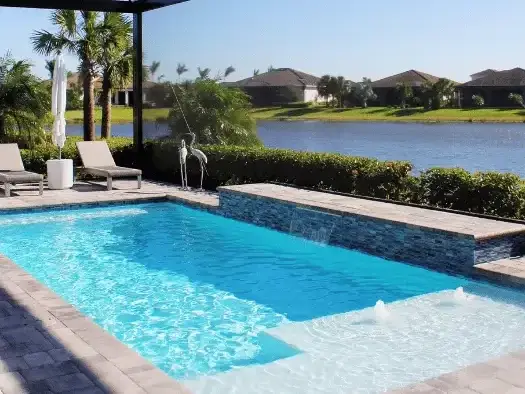
There’s something magical about stepping into a crystal-clear, sparkling pool on a sunny Florida afternoon. But behind that shimmer lies pure science — from balanced pH to water circulation and sunlight chemistry. Whether you’re in Port Charlotte, Punta Gorda, North Port, or Rotonda, understanding why pool water sparkles (and what stops it from doing so) can help you keep your pool looking flawless all year round.
At Florida Detail, we break down the science of clear pool water into simple terms — no chemistry degree required!
💧 What Makes Pool Water Sparkle?
That beautiful, mirror-like shimmer you see on the surface is more than clean water — it’s a balance of light reflection, chemistry, and circulation.
Here’s what’s happening below the surface:
- Light Reflection: Sunlight bounces off particles in clean, moving water, creating that glittering effect.
- Proper Filtration: Your pool filter captures debris and microscopic particles that would otherwise make the water dull.
- Balanced Chemicals: Chlorine, pH, and alkalinity work together to sanitize and stabilize water clarity.
- Surface Tension: Clean, well-balanced water maintains surface tension that prevents cloudiness.
✨ Fun Fact: The same sunlight that makes your pool sparkle also fuels algae growth — that’s why balance and maintenance are key!
⚗️ The Chemistry of Crystal-Clear Water
Let’s simplify what’s happening chemically in your pool — because sparkling water isn’t just luck, it’s science.
1. Chlorine – The Sanitizing Superstar
Chlorine fights off bacteria, body oils, sunscreen, and organic matter. It oxidizes contaminants so your pool stays hygienic and clear.
- Ideal level: 1–3 ppm (parts per million)
- Too low = cloudy water and algae
- Too high = eye irritation and faded liners
2. pH Balance – The Comfort Zone
pH measures how acidic or basic your pool water is. The sweet spot is 7.4–7.6 — close to the natural pH of human eyes and skin.
- High pH (above 8.0): Cloudy water, scale buildup
- Low pH (below 7.0): Corrosion of pool equipment and irritation
3. Alkalinity – The pH Buffer
Think of alkalinity as the “shock absorber” that keeps pH from swinging wildly.
- Ideal range: 80–120 ppm
- Low alkalinity = unstable pH
- High alkalinity = cloudy water
4. Calcium Hardness – The Hidden Hero
If calcium levels drop too low, water pulls calcium from pool plaster, damaging surfaces.
Too high? You’ll see white flakes or scaling.
- Ideal range: 200–400 ppm
5. Cyanuric Acid – UV Protection for Chlorine
Florida’s intense sunlight breaks down chlorine fast. Cyanuric acid (CYA) acts like sunscreen for chlorine, keeping it active longer.
🌴 Florida’s Environment: Friend and Foe
If you live in Charlotte County, you know the climate is both perfect and punishing for pools.
1. Heavy Sunlight
Endless sunshine means faster chlorine breakdown — and faster algae growth if chlorine drops too low.
2. Humidity and Rainstorms
Sudden summer downpours (especially in North Port and Punta Gorda) can dilute chemicals, unbalance pH, and introduce debris.
3. Heat and Organic Matter
Falling leaves, pollen, or even nearby wildlife can add organics that consume chlorine and cloud the water.
💡 Pro Tip from Florida Detail: After every storm, test and rebalance your water immediately to avoid cloudiness or algae blooms.
🔄 The Role of Circulation and Filtration
Even if your chemistry is perfect, stagnant water won’t sparkle.
Here’s how movement keeps your pool shining:
- Filtration: The filter removes fine debris invisible to the naked eye.
- Circulation: Pumps and jets distribute chemicals evenly.
- Skimming: Keeps floating debris from sinking and decaying.
✅ Simple Circulation Checklist
- Run your pump 8–10 hours daily during Florida’s hot months.
- Backwash your filter regularly.
- Inspect and clean skimmer baskets weekly.
- Keep returns angled slightly downward for even water movement.
🧪 How to Keep Your Pool Sparkling Year-Round
1. Weekly Testing
Use a digital test kit or strips to check chlorine, pH, and alkalinity twice a week.
2. Shock Regularly
Shock your pool after heavy use, storms, or algae signs to eliminate contaminants.
3. Brush and Vacuum
Scrub walls, steps, and tile lines weekly to prevent buildup.
4. Maintain Water Level
Too low = air in pump system
Too high = reduced skimming efficiency
5. Professional Maintenance
If you’re juggling work, kids, or snowbird travel — hire experts listed on Florida Detail for professional care.
🌐 Local Resources for Sparkling Pools
Here are a few trusted local and online pool care resources:
- Florida Detail – Your trusted source for pool care guides and local services.
- UnlimitedManiac.com – Local SEO & marketing support for Florida pool businesses.
- PortCharlottePoolServices.com – Maintenance and repairs in Port Charlotte.
- NorthPortPoolCompany.com – Specialized cleaning and inspections.
- PoolServiceInPortCharlotte.com – Local pool technicians for homeowners.
For more on pool cleaning in Charlotte County or expert chemical balancing, visit https://FloridaDetail.com.
💎 Why Sparkling Water Matters
Clean, sparkling water isn’t just about beauty — it’s about health, safety, and home value.
A well-balanced pool means:
- Less maintenance and lower chemical costs
- Longer equipment life
- Better swimming comfort
- Higher property value
So the next time your pool catches the Florida sun just right, remember — it’s not magic. It’s chemistry done right.
🏁 Conclusion: Science Meets Simplicity
You don’t have to be a scientist to enjoy a crystal-clear pool — just understand the basics and stay consistent. Whether you’re maintaining your own backyard paradise in Rotonda or managing a community pool in Punta Gorda, regular maintenance and balanced chemistry are your keys to success.
Visit Florida Detail today to explore local pool professionals in Charlotte County, or browse expert cleaning tips, service providers, and helpful guides at https://FloridaDetail.com.


