If you’ve noticed white calcium streaks or rough patches on your pool’s surface, it’s not your imagination — it’s Florida’s hard water problem in action. Across Port Charlotte, Punta Gorda, North Port, Rotonda, and all of Charlotte County, homeowners face the same challenge: mineral-rich water silently damaging beautiful pool finishes.
While this might sound minor at first, the effects compound over time — leading to scaling, dull surfaces, and even premature pool resurfacing costs. Let’s dive deep into the science behind hard water and how you can protect your investment.
What Exactly Is “Hard Water”?
“Hard water” simply means water that contains high levels of dissolved minerals, primarily calcium and magnesium. These minerals are naturally found in Florida’s underground aquifers — the same sources feeding most of our municipal and well water systems.
In areas like Port Charlotte and Punta Gorda, mineral concentrations are especially high due to limestone-rich soil. When this water is used to fill or top off your pool, it brings those minerals with it.
How It Affects Your Pool:
- Calcium scaling — White, chalky buildup along waterlines and pool walls.
- Etching and roughness — When water chemistry gets unbalanced, minerals deposit unevenly, creating rough textures.
- Cloudy water — Tiny mineral particles suspended in water reflect sunlight, making your pool look dull or dirty.
- Equipment damage — Pumps, heaters, and filters can get clogged with scale buildup over time.
Why Charlotte County Pools Are Especially Vulnerable
Florida’s climate and geology create the perfect storm for hard water damage.
- High evaporation rates: With intense sunlight and warm air, water evaporates fast — but minerals stay behind.
- Frequent refills: More top-offs mean more minerals added back in.
- Rain and runoff: Rainwater can alter your pool’s pH balance, speeding up scaling and corrosion.
In Rotonda and North Port, homeowners often notice that even freshly cleaned pools start showing scale again within weeks — especially during the dry months.
💡 Pro Tip: Regular pool maintenance in Charlotte County isn’t just about aesthetics — it’s essential for protecting your finish and extending the life of your pool surface.
The Science: When Chemistry Turns Against You
Pool water wants balance — a perfect relationship between pH, alkalinity, and calcium hardness. When calcium levels exceed 400 ppm (parts per million), you’re entering danger territory.
Here’s what happens next:
- High pH + high calcium = Scale formation.
- Low pH + high calcium = Etching or dissolving of plaster.
- Improper alkalinity = Unstable water chemistry that accelerates both problems.
To maintain balance:
- Keep calcium hardness between 200–400 ppm.
- Maintain pH between 7.4–7.6.
- Test weekly, especially after heavy rain or refills.
If managing these levels feels overwhelming, consider hiring a pool service expert in Port Charlotte to handle routine testing and chemical balancing.
How to Prevent and Remove Hard Water Damage
1. Regular Testing and Adjustment
Use a professional-grade water test kit or rely on local pool services like those listed on Florida Detail. Adjust pH, alkalinity, and hardness levels before scale becomes visible.
2. Use a Sequestering Agent
These chemical additives “trap” calcium ions, preventing them from forming deposits on surfaces and equipment.
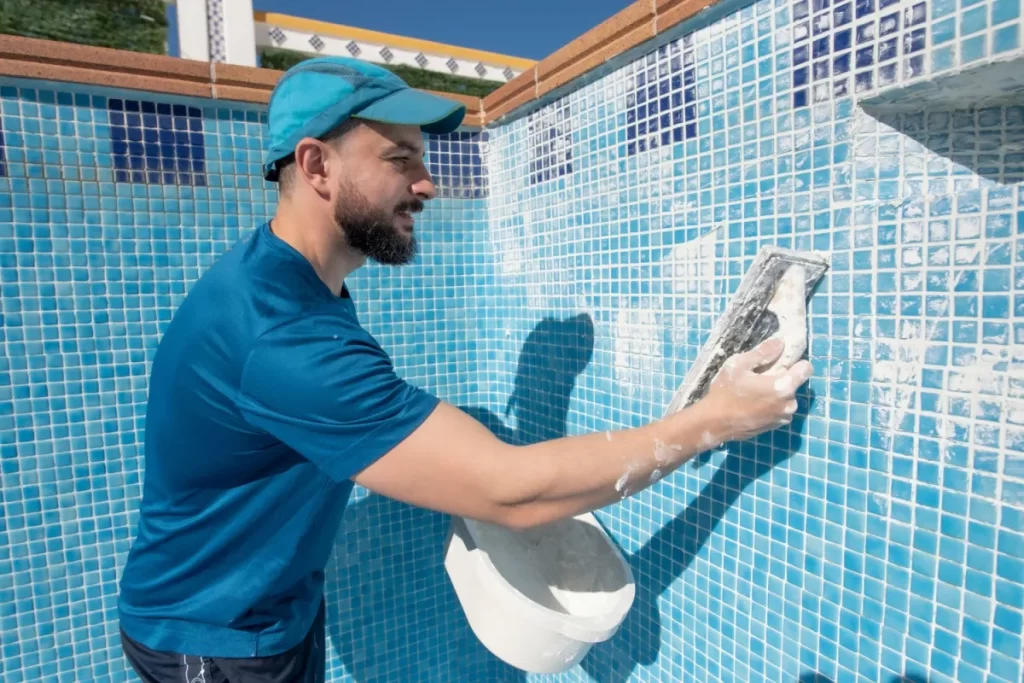
3. Manual Cleaning and Descaling
For light scale, use a pumice stone or acid wash under professional supervision. Avoid harsh scrubbing tools that can damage your finish.
4. Consider a Water Softener System
Some pool owners in Punta Gorda and North Port install partial softening systems to reduce incoming calcium — a long-term but effective investment.
Real-Life Example from Charlotte County
A homeowner in Rotonda West noticed dull white streaks along their pool’s tile line after only two years. After consulting a technician from Florida Detail, they discovered calcium hardness levels had reached over 500 ppm.
By performing a partial drain and refill combined with professional descaling, the technician restored the pool’s clarity and shine — and taught the homeowner how to prevent future buildup.
This simple intervention saved thousands in resurfacing costs.
Professional Help: Why It’s Worth It
DIY solutions work for maintenance, but for deep cleaning, a trusted local expert is your best ally. Companies featured on Florida Detail offer:
- Professional acid washing for severe scale.
- Balancing services customized for Charlotte County’s hard water.
- Regular maintenance schedules to prevent recurrence.
You can explore other reliable partners like:
And for marketing your local pool service, check out UnlimitedManiac.com, a Florida-based SEO resource helping pool professionals reach local customers.
Don’t Let Hard Water Steal Your Pool’s Beauty
Hard water might be unavoidable in Florida — but damage is preventable with the right care. From routine testing to expert descaling, proactive maintenance protects both the look and longevity of your pool finish.
If you’re in Port Charlotte, Punta Gorda, North Port, Rotonda, or anywhere in Charlotte County, visit Florida Detail today to connect with trusted local pool professionals.
🏝️ Keep your pool smooth, sparkling, and ready for every sunny Florida afternoon.


